

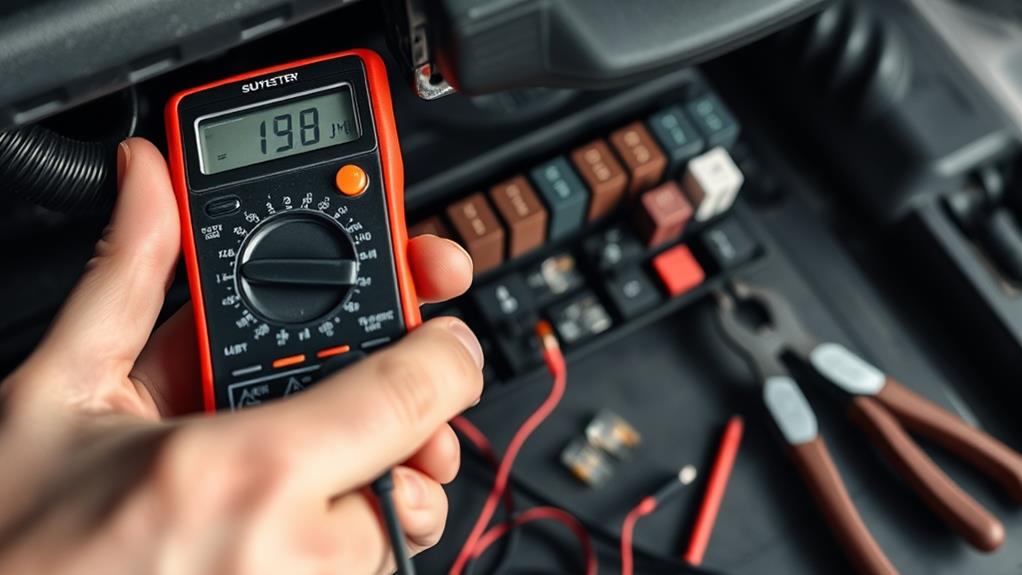
Swapping a blown fuse is a basic skill that can enhance electrical safety and efficiency within any environment. Initially, it is crucial to understand the nature of blown fuses, as well as how to identify them accurately. Once a fuse has been deemed non-functional, specific steps must be followed to guarantee a safe and effective replacement. This structured approach not only reduces risks associated with electrical work but also promotes proper functioning of electrical systems. The subsequent sections will illuminate these essential steps, guaranteeing a thorough comprehension of this critical task.
Understanding Blown Fuses
Understanding blown fuses is vital for maintaining electrical safety and functionality in any home or workspace. A blown fuse typically occurs when an electrical circuit is overloaded, leading to excess current flow that the fuse cannot handle. This protective device is designed to interrupt the current, thereby preventing potential hazards such as electrical fires or equipment damage.
Ground faults, damaged wiring, moisture accumulation, or the use of an incorrect fuse type are common causes of blown fuses. Recognizing these factors is important for effective troubleshooting and prevention.
Additionally, maintaining the integrity of electrical systems by regularly inspecting and addressing potential issues can greatly enhance safety and operational efficiency in residential and commercial settings.
Identifying a Blown Fuse
Identifying a blown fuse is vital for ensuring the safety and efficiency of electrical systems. This process involves examining the fuse’s physical condition. Key indicators of a blown fuse include cloudiness or discolouration of the glass or plastic casing, which suggests internal damage.
Additionally, the presence of melted or broken metal elements inside the fuse is a clear sign that it has failed. It is important to note that these visual cues can vary based on the type of fuse used.
Regular inspection can help prevent further electrical issues, such as circuit overloads or potential hazards. Timely identification of a blown fuse is critical for maintaining the integrity of your electrical setup and preventing additional complications.
Steps to Replace a Fuse
Replacing a blown fuse is a critical task that secures electrical systems’ continued functionality and safety.
First, confirm your safety by wearing gloves designed for electrical work, rubber-soled shoes, and safety goggles.
Next, disconnect the main power to prevent electrical shock. Locate the blown fuse, which is identifiable by cloudiness, discoloration, or visible damage.
Carefully unscrew the blown fuse using an appropriate tool. To avoid further issues, replace it with a new fuse of the same type and rating and make sure it is securely fastened.
Frequently Asked Questions
Can I Use Any Type of Fuse to Replace a Blown One?
No, it is imperative to use a fuse that matches the specifications of the original. Inappropriate fuse types can lead to circuit failures, increased risk of electrical fires, and potential damage to connected devices.
What Should I Do if the New Fuse Blows Immediately?
If the new fuse blows immediately, it indicates a persistent issue, such as an overloaded circuit or damaged wiring. Investigate the electrical system thoroughly and consider consulting a licensed electrician for a thorough assessment and resolution.
How Often Should I Check My Fuses for Issues?
It is recommended that you inspect your fuses every six months. This proactive approach helps identify potential issues such as discolouration or damage, ensuring electrical safety and preventing unexpected failures in your electrical system.
Are There Signs That Indicate Electrical Problems Beyond Blown Fuses?
Yes, signs indicating electrical problems beyond blown fuses include frequent tripping of circuit breakers, flickering lights, discoloured outlets, unusual odours, and warm or hot electrical devices. Prompt inspection by a qualified electrician is advisable in such cases.
Is It Safe to Replace a Fuse Without Turning off the Power?
Replacing a fuse without turning off the power is highly unsafe. It poses significant risks of electric shock or fire hazards. Always verify the mains power is disconnected before attempting any electrical repairs or replacements.
Conclusion
To sum up, replacing a blown fuse involves a systematic approach prioritising safety and accuracy. One can guarantee the restoration of electrical functionality by adhering to the outlined steps—disconnecting power, inspecting the fuse, and replacing it with an appropriate substitute. Proper handling and secure installation of the new fuse are essential to prevent future occurrences of electrical issues. Following these procedures enhances safety and contributes to the longevity of electrical systems.