

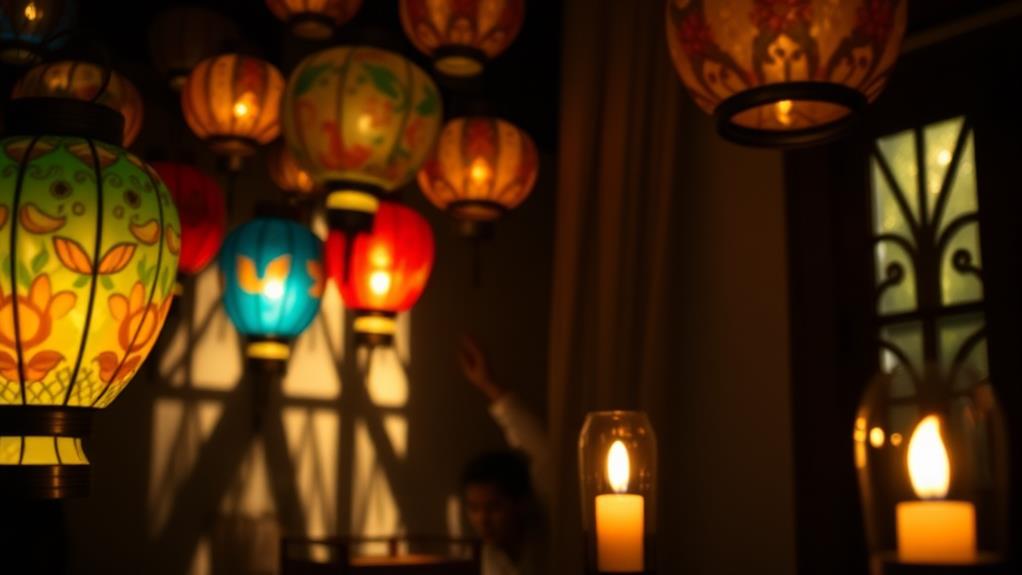
In our increasingly artificial world, the nuances of lighting emerge as silent architects of our emotional landscapes. The interplay between brightness and color temperature can evoke a spectrum of feelings, shaping not only our moods but also the very fabric of our interactions. Warm, inviting hues may cradle us in comfort, while cooler tones can awaken a latent energy, urging us toward creativity and productivity. As we explore these dimensions, one must ponder: how can the strategic manipulation of light elevate our everyday experiences beyond mere functionality? The answers may illuminate pathways previously unconsidered.
The Power of Brightness
As the sun rises and casts its gentle glow across the landscape, the significance of brightness becomes immediately apparent; it shapes our perceptions and influences our daily experiences.
The ideal brightness level, measured around 51 on a scale of 100, creates a harmonious balance that allows for visibility without overwhelming glare. This mid-range illumination, approximating 40 watts or 500 lumens, fosters an environment where clarity prevails.
Such carefully calibrated brightness not only enhances the aesthetics of a space but also facilitates daily activities, enabling individuals to navigate their surroundings with ease. Essentially, brightness serves as the foundation of our visual landscape, subtly guiding our interactions and enriching the moments we cherish.
Lighting’s Influence on Mood
The interaction between lighting and mood is a nuanced occurrence that requires careful examination. Research shows that changes in brightness significantly impact emotional states, with ideal lighting—around 40 watts or 500 lumens—striking a balance that improves visibility without overwhelming the senses. Brighter environments can revitalize, sparking feelings of energy and focus, while softer, warmer tones tend to promote comfort and intimacy.
Noteworthy, the increase in interest for specialised lighting, such as SAD lamps during challenging seasons, highlights the emotional importance of light. Additionally, exposure to brighter light can boost testosterone levels, enhancing confidence and overall sexual satisfaction. Therefore, understanding this relationship is essential for creating spaces that nurture desired emotional experiences, illuminating the subtleties of human sentiment.
Setting the Scene With Color
Color plays a pivotal role in shaping our experiences and emotions within a space. It subtly influences our perceptions, creating atmospheres that resonate with our psychological states.
Warm hues, such as browns, oranges, and soft nude tones, envelop us in comfort and intimacy, reminiscent of sunlit afternoons and cozy evenings. These colors can evoke feelings of nostalgia and tranquility, setting the stage for reflective moments.
Conversely, cool tones—blues, purples, and greens—revitalise clarity, invigorating our senses and promoting focus. Their crispness mimics daylight, infusing spaces with energy and vibrancy.
Embracing Warm Lighting
Bathed in the gentle glow of warm lighting, spaces transform into havens of comfort and intimacy, inviting individuals to unwind and connect.
With hues reminiscent of sunrises and sunsets, warm lighting—typically around 2200K—creates an ambiance that feels nurturing and serene.
This soft illumination, often characterized by shades of brown, orange, and nude, promotes relaxation and fosters a sense of belonging.
In homes and social settings alike, warm lighting encourages emotional engagement, allowing conversations to flow freely and connections to deepen.
The Benefits of Cool Lighting
Cool lighting offers an invigorating alternative to traditional warm tones, energizing spaces with a clarity that stimulates both the mind and body.
Characterized by its blue, purple, and green hues, cool lighting typically ranges from 5000K to 9000K, mirroring the crispness of daylight. This spectrum not only enhances visibility but also invigorates creativity and productivity, making it ideal for workspaces and study areas.
Research indicates that exposure to brighter light can positively influence mood and hormonal balance, particularly in combating seasonal affective disorder. Additionally, such lighting fosters a sense of alertness, encouraging engagement and interaction.
Essentially, cool lighting serves as a dynamic tool for emotional enhancement, promoting a vibrant atmosphere conducive to both mental acuity and emotional well-being.
Frequently Asked Questions
How Can I Choose the Right Light for My Workspace?
Choosing the right light for your workspace involves balancing brightness and color temperature. Aim for around 500 lumens with a warm tone (2200K) for comfort, or a cooler tone (5000K) for clarity and focus.
What Are the Best Lighting Options for Photography?
Ideal photography lighting combines natural and artificial sources. Softboxes and diffusers create balanced illumination, while reflectors enhance highlights. Experimenting with color temperatures can evoke desired moods, ensuring the final image resonates with intended emotional depth.
How Do I Maintain My Light Fixtures for Optimal Performance?
To uphold light fixtures for peak performance, regularly clean surfaces to remove dust, check connections for stability, replace worn bulbs promptly, and guarantee appropriate brightness levels, enhancing both functionality and aesthetic appeal in your environment.
Can Lighting Affect Sleep Quality and Patterns?
Lighting greatly influences sleep quality and patterns. Soft, warm lighting promotes relaxation, while harsh, bright lights can disrupt circadian rhythms. Adjusting light intensity and color temperature before bedtime can enhance restful sleep and overall well-being.
What Are the Environmental Impacts of Different Lighting Types?
Different lighting types have a notable impact on the environment, influencing energy consumption and carbon emissions. Energy-efficient options, such as LEDs, reduce resource depletion and promote sustainability, while traditional incandescent bulbs contribute to higher energy usage and environmental degradation.
Conclusion
The intricate relationship between lighting and emotions underscores the profound influence that illumination has on human experience. By harnessing the power of brightness, color temperatures, and the nuances of warm and cool lighting, environments can be thoughtfully designed to foster desired emotional responses. Ultimately, this understanding facilitates the creation of spaces that enhance well-being, nurturing a harmonious balance between mood and ambiance, and enriching daily interactions and reflections in the journey of life.