
Metal trunking is an essential ally in the world of electrical installations, offering both organization and safety for cable management. Its sturdy design not only improves the visual appeal of spaces but also plays a crucial role in fire prevention and regulatory compliance. Understanding the differences between trunking and conduit, as well as choosing the right sizes and using efficient installation methods, is important for the best performance. However, the intricacies of these practices are often ignored; therefore, it is important to explore how they can greatly affect the efficiency and safety of your electrical systems.
Understanding Metal Trunking
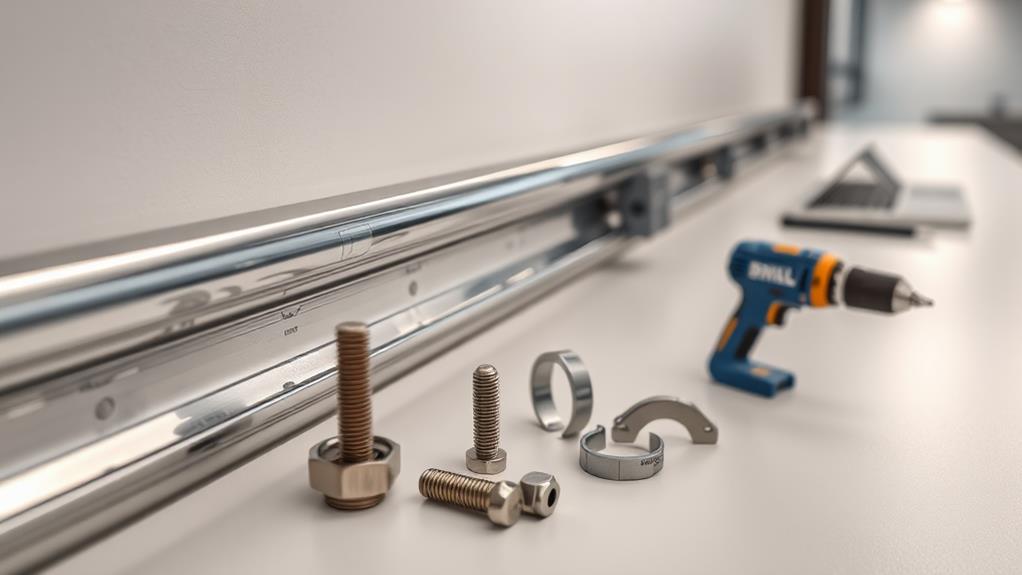
Metal trunking is frequently used in modern electrical installations as a crucial solution for housing and managing electrical cables. Its design allows for the effective organization of multiple cables, ensuring a neat and professional appearance. Metal trunking is typically installed behind walls or beneath flooring, which not only enhances aesthetics but also contributes to safety by minimizing the risk of accidental damage.
Moreover, it plays a critical role in fire prevention; in the event of electrical faults, metal trunking helps contain flames and restrict their spread. Compliance with regulatory standards is paramount in electrical installations, making metal trunking an essential component for both practical applications and adherence to safety regulations. Therefore, it is pivotal for efficient and secure electrical management.
Trunking vs. Conduit
When comparing trunking and conduit, it is crucial to understand their distinct functions and applications within electrical installations. Trunking serves as an all-encompassing solution for housing multiple cables, facilitating effective cable management while enhancing safety by preventing fire spread. It is typically installed behind walls or under flooring, providing a consolidated approach to wiring.
In contrast, conduit is designed primarily to direct individual wires to specific devices, ensuring a streamlined connection. While trunking can accommodate a variety of cables in a single location, conduit offers a more focused path for electrical flow.
The choice between trunking and conduit depends on the specific requirements of the installation, such as the need for organization versus directional wiring.
Selecting the Right Size
Understanding the distinctions between trunking and conduit lays the foundation for choosing the appropriate size of trunking for your installation needs. When determining the size of metal trunking, consider the number of cables to be housed and their combined space requirements. Overheating can occur if trunking is overfilled, leading to potential safety hazards such as blown fuses or fires. To mitigate these risks, make sure that the occupancy in the trunking does not exceed 45%.
Additionally, calculate the total cross-sectional area of the cables, taking into account insulation thickness. This evaluation will assist you in selecting trunking that not only accommodates your cables efficiently but also complies with safety regulations and best practices for electrical installations.
How to Cut Trunking
How can one guarantee a precise and effective cut when working with metal trunking? The key lies in using the appropriate tools and techniques.
Begin by selecting a high-quality metal cutter, confirming it is sharp and suitable for the trunking material. Before making any cuts, accurately measure and mark the desired length on the trunking, utilizing a straightedge for precision.
For angled cuts, mark a 90-degree line and draw a triangle to guide a 45-degree cut. Employ steady, even pressure while cutting to avoid jagged edges.
It is essential to wear protective gloves to safeguard against sharp metal edges post-cutting. Finally, verify the cut's accuracy against your initial measurements to guarantee proper fit during installation.
Plastering Techniques for Trunking
After guaranteeing precise cuts in the metal trunking, attention turns to the plastering techniques that will effectively conceal and secure the installation.
The first step involves applying a bonding coat to create a suitable surface for plaster adhesion. It is vital to ensure that the trunking is adequately recessed within the wall, allowing for sufficient plaster coverage without compromising cable safety.
Utilize a trowel to spread the plaster evenly, guaranteeing a smooth finish that aligns with the surrounding wall surface.
When plastering, it is important to monitor drying times and avoid excessive moisture that could affect the trunking.
For intricate installations, enlisting professional assistance may be wise to achieve seamless integration and compliance with safety standards.
Frequently Asked Questions
What Materials Are Commonly Used for Metal Trunking?
Common materials used for metal trunking include galvanized steel, aluminum, and stainless steel. These materials provide durability, corrosion resistance, and structural integrity, ensuring effective protection and management of electrical cables within various environments.
How Long Does Metal Trunking Typically Last?
Metal trunking typically has a lifespan of 20 to 30 years, depending on environmental conditions and usage. Proper installation and maintenance further enhance durability, ensuring effective cable management and safety throughout its operational life.
Can I Paint Over Metal Trunking?
Yes, metal trunking can be painted. Select a paint suitable for metal surfaces to guarantee proper adhesion and durability. Make sure the surface is clean and primed if necessary, maintaining both aesthetics and functionality in electrical installations.
Is Metal Trunking Waterproof or Weatherproof?
Metal trunking is not inherently waterproof or weatherproof. While it provides protection against physical damage, appropriate sealing and coatings are necessary for outdoor environments to prevent moisture ingress, ensuring the safety and integrity of electrical installations.
What Tools Are Needed for Trunking Installation?
For trunking installation, essential tools include a metal cutter for accurate cuts, a measuring tape for precise dimensions, a level for alignment, and screws or anchors for secure mounting. Safety gear is also recommended for protection.
Conclusion
To wrap up, metal trunking serves as a crucial component for efficient and safe electrical cable management. Its benefits include improved organization, lowered damage risk, and adherence to safety standards. Grasping the differences between trunking and conduit, choosing the right size, and using efficient cutting and plastering methods are crucial for achieving ideal installation results. Ultimately, metal trunking not only eases the installation process but also plays a key role in the overall safety and aesthetic appeal of electrical systems.