

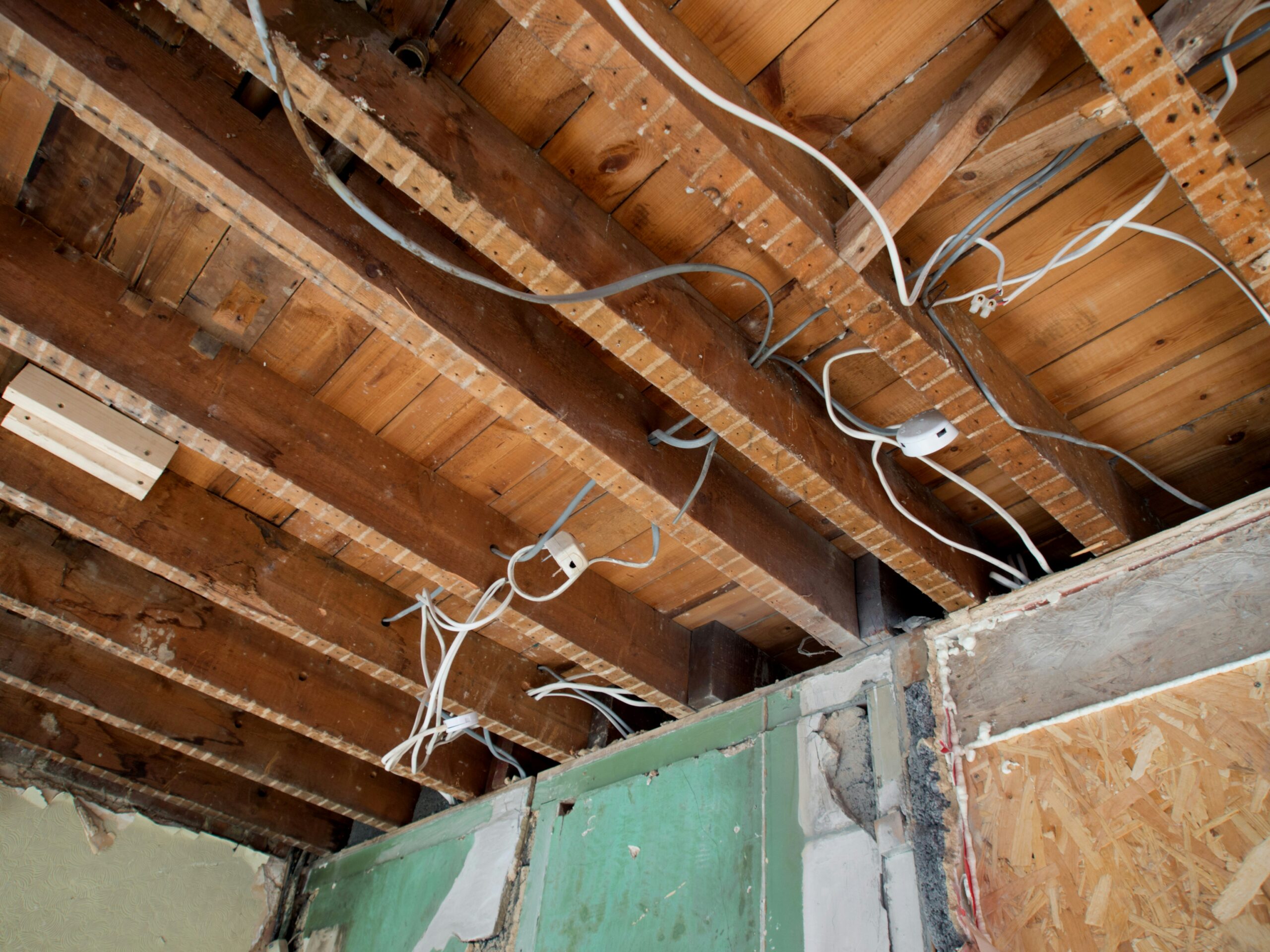
If you’ve noticed flickering lights or sockets that buzz like they’re auditioning for a role in a horror movie, it might be time to ponder whether your house needs a rewire. Properties older than 25 years often harbour outdated wiring that could pose serious safety risks, not to mention the inconvenience of tripping circuits at the most inopportune moments. And let’s not even start on those charming old fuse boxes. So, what exactly does a rewiring project involve, and why is it more vital than you might think?
Signs a House Needs Rewiring
Recognizing the signs that your house might need rewiring can save you from potential hazards and costly repairs down the line. If you’ve noticed flickering lights, buzzing sockets, or tripping circuits, these are more than just minor annoyances; they’re safety hazards indicating your wiring may be outdated. Properties over 25 years old often fall into this category, especially if you spot old-fashioned fuse boxes or cables with PVCu insulation.
Using extension leads to compensate for the lack of sockets is another red flag, hinting that your home’s electrical system might be old.
While you might be tempted to tackle rewiring as a DIY project, be aware of the risks involved; it’s not just about getting your hands dirty but also ensuring safety and compliance with current standards.
A professional assessment provides a clear view of your wiring’s condition and can highlight the cost implications of neglecting these issues.
Investing in rewiring now yields long-term benefits, ensuring your home is safe, functional, and ready for modern electrical demands—without worrying about becoming a headline in the local news.
What Does Rewiring a House Involve?
When it comes to addressing the electrical issues in your home, understanding what rewiring a house involves is key. Rewiring isn’t just a fancy term; it’s a crucial process that replaces old wiring and installs new consumer units, ensuring your circuits are safe and ready to use. This includes modernizing circuits to meet current electrical standards because, let’s face it, your home deserves better than outdated cables that could trigger a fire alarm.
As you commence on this journey, be prepared for some concealed wiring work. Electricians might need to lift floorboards or chase out plasterwork in your walls, which sounds more dramatic than it is—think of it as giving your home a makeover.
Safety upgrades are paramount during this process. By addressing flickering lights and avoiding overreliance on extension leads, you’re not just improving functionality; but making your home safer. Plus, many professional electricians offer fixed pricing for rewiring projects so that you won’t be surprised by unexpected costs. It’s all about creating a safe, modern environment—one circuit at a time!
What is an Electrical Installation Condition Report (EICR)
An Electrical Installation Condition Report (EICR) serves as your property’s electrical health check, thoroughly inspecting all wiring and installations. Understanding the EICR process is essential; a qualified electrician will assess your electrical system, identifying potential safety issues or defects.
The EICR benefits you by clearly showing your current wiring condition and determining whether a rewire is necessary.
The importance of an EICR can’t be overstated. It safeguards against hazards like electrical fires, ensuring your home remains safe and compliant with regulations. Generally, it’s recommended to have an EICR conducted every ten years, depending on your property’s age and usage.
The cost of EICR can vary depending on the size of your home and the complexity of the system, but it’s a worthy investment for peace of mind. By regularly scheduling your EICR, you can stay ahead of electrical issues, saving yourself from more extensive and costly rewiring in the long run.
Things to Consider When Rewiring a House
Rewiring a house is no small feat, and thoughtful planning is essential to navigate the complexities involved. First, consider the cost implications; rewiring can be an investment, and you’ll want to budget for both materials and labour. Safety concerns should be at the forefront of your mind—outdated wiring poses a significant fire risk, so addressing this isn’t just a luxury; it’s a necessity.
Next, be realistic about timeframe expectations. Depending on the size of your home and the extent of the work, rewiring can take anywhere from a few days to several weeks. You’ll need to prepare for some disruption, possibly relocating furniture and lifting floorboards.
Don’t overlook upgrading options while you’re at it. This is a prime opportunity to install modern switches and outlets, which will enhance both aesthetics and functionality.
Lastly, consider future-proofing considerations. As technology advances, think about wiring for smart home systems or additional outlets that may be needed. With careful planning, you can transform your electrical system from outdated to state-of-the-art, ensuring safety and convenience for years.
-How often should a house be rewired?
Every homeowner should be aware that houses ideally need a rewire every 25 to 30 years. This rewiring frequency isn’t just a suggestion from your friendly neighbourhood electrician; it’s a crucial step in complying with safety standards and ensuring your home remains a safe haven. If your property is over 25 years old, it’s worth considering how its age could affect its electrical system’s integrity.
Usage patterns also play a significant role. If you’ve turned your cosy abode into a bustling hub of electronic devices, you might find that outdated wiring could lead to potential hazards, such as electrical fires or short circuits. Additionally, changes in electrical regulations mean what was once acceptable might now be deemed unsafe.
Consulting with a qualified electrician can provide you with a tailored assessment through an Electrical Installation Condition Report (EICR). This report will help you determine the condition of your wiring and whether a rewire is necessary.
Ultimately, staying ahead of electrical issues is a wise investment in your home’s safety and functionality, and let’s be honest, no one wants to be the neighbour with flickering lights!
Frequently Asked Questions
What Are the Signs That a House Needs Rewiring?
If you notice flickering lights, tripping circuit breakers, or burning smells, your home’s outdated wiring could pose electrical hazards. It’s time to assess your system before you end up with more than just a shocking experience!
Why Would a House Need a Rewire?
You’ll need a rewire if ageing wiring raises safety concerns or if your electrical capacity can’t keep up with modern demands. Renovation plans might also require updates to meet code compliance, ensuring your home’s safety and functionality.
How Much Does a House Rewire Cost?
When considering the rewiring process, expect costs around £3,500 for a 3-bedroom house. Don’t forget budget considerations for professional electricians, as electrical safety is paramount in any home renovation project. Safety’s no joke!
Can You Live in a House That Needs Rewiring?
You can’t live comfortably in a house needing rewiring. Safety concerns arise, with electrical hazards lurking and potential risks to your peace of mind. Embrace home improvements instead; your future self will thank you!
Conclusion
To sum up, if you observe flickering lights or buzzing sockets, it might be time to contemplate a rewire before your home transforms into a contemporary art installation of electrical chaos. Routine inspections and an Electrical Installation Condition Report can assist you stay proactive against potential hazards. Keep in mind, obsolete wiring isn’t only bothersome; it poses a safety risk. Therefore, don’t delay until the lights go out—take action and guarantee your home stays a secure sanctuary.