
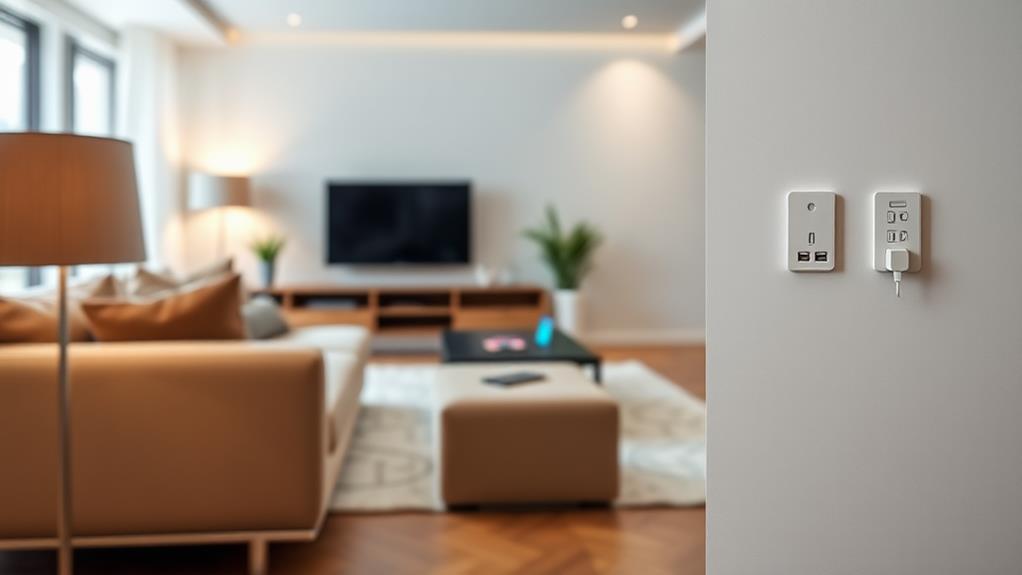
In an age where our devices seem to multiply like rabbits, the advent of USB sockets presents a solution that is both practical and, dare I say, elegant. With installation costs that are surprisingly reasonable, these sockets not only eliminate the need for cumbersome adaptors but also offer the efficiency of charging multiple devices simultaneously—up to 40% faster, no less. As we explore the myriad benefits and considerations of this upgrade, one must ponder: could the humble USB socket be the unsung hero of modern home design?
Why Switch to USB Sockets
In an age where convenience reigns supreme, the shift to USB sockets is not just a trend but a practical upgrade for any modern household. With new USB sockets ranging between £6 and £30, this investment promises to enhance both functionality and aesthetic appeal, potentially boosting your home’s value.
Imagine a living space where charging devices no longer requires a scavenger hunt for those bulky adaptors or extension leads—it’s like finding a unicorn in the wild. Moreover, for those with a penchant for DIY projects, the installation process is straightforward, although hiring an electrician ensures peace of mind.
Ultimately, switching to USB sockets is a savvy choice that aligns with contemporary lifestyle demands while effortlessly modernizing your environment.
Installation Guide for USB Sockets
Equipping your home with USB sockets is a commendable step towards modernizing your living space, but the installation process requires careful attention to detail. Begin by turning off the mains power—safety first, after all.
Next, carefully remove the existing socket, revealing the live, neutral, and earth wires. When installing the new USB socket, make certain that the connections are made correctly; after all, we prefer charging devices, not short-circuiting them.
Once installed, double-check the electrics to confirm everything is working as intended. If this sounds like a challenging task, consider hiring a qualified electrician—because some jobs are best left to the professionals, lest you find yourself in a shocking predicament!
Benefits of USB Charging
A multitude of advantages accompany the shift to USB charging, making it a highly appealing choice for today’s tech-savvy households.
To start with, USB sockets streamline the charging process, eliminating the need for bulky adaptors that tend to vanish into the depths of drawers. With the ability to power multiple devices simultaneously, these sockets cater to our gadget-laden lives, ensuring that no device is left behind—unlike your last New Year’s resolution.
Additionally, many small devices benefit from up to 40% faster charging, allowing users to spend less time tethered to the wall and more time enjoying their tech.
Safety Considerations for USB Sockets
Safety considerations surrounding USB sockets are paramount, especially as these modern charging solutions become ubiquitous in households. While USB sockets generally present similar risks as traditional three-prong outlets, they also come with unique safety features.
For instance, they consume minimal power when not in use, reducing the risk of energy wastage—or your wallet’s sudden diet. However, users must remain vigilant; avoid inserting metal objects or using wet hands near these sockets, as the age-old adage “water and electricity don’t mix” still holds true.
Ultimately, when installed correctly and used responsibly, USB sockets can enhance convenience while maintaining a safe environment, allowing you to charge devices without the shocking surprise of accidents.
Explore USB Socket Options
With the landscape of home charging rapidly evolving, exploring USB socket options provides an opportunity to enhance both convenience and functionality. Gone are the days of wrestling with bulky adaptors; modern USB sockets streamline charging for multiple devices simultaneously. From standard dual USB outlets to innovative smart sockets that monitor energy usage, the choices are plentiful.
Budget-conscious homeowners can find options ranging from £6 to £30, while professional installation can elevate your space—though it may stretch your wallet a bit, costing up to £200. So, why not invest in a future where charging is as seamless as a Sunday morning? Embrace the evolution and keep your devices powered without the mess of cords.
Frequently Asked Questions
Can I Use USB Sockets for Non-Charging Devices?
While USB sockets are primarily designed for charging devices, they can power certain low-wattage non-charging devices. However, it’s important to consult specifications, as using them incorrectly may lead to unexpected electrical surprises.
Will USB Sockets Work With All Types of USB Cables?
USB sockets are compatible with most USB cables, including Type-A, Type-B, and Type-C. However, make sure that the cable matches the device’s requirements. Otherwise, you might end up with a perplexing charging experience—like a fish out of water.
How Many USB Ports Can I Install in One Room?
The number of USB ports you can install in one room largely depends on available electrical capacity and design preferences. However, a well-planned approach can accommodate multiple ports—just don’t turn your living space into a charging station!
Do USB Sockets Require Special Maintenance?
USB sockets require minimal maintenance, primarily dusting and ensuring connections remain secure. Treat them with care, avoiding excess moisture and heavy objects. After all, even technology appreciates a little TLC—too much neglect could lead to ‘disconnections.’
Are There Any Compatibility Issues With Older Devices?
Compatibility with older devices is generally not an issue; most USB sockets support a variety of charging standards. However, older devices may charge slower, akin to a tortoise competing with a hare—patience is key.
Conclusion
To sum up, the adoption of USB sockets signifies a notable progression in residential electrical installations. By enabling quicker charging and decluttering traditional adaptors, these sockets improve both functionality and visual attractiveness. Moreover, the straightforward installation process and wide range of options available emphasize their practicality. As homes progressively integrate modern technology, USB sockets emerge not only as a convenience but also as a worthwhile asset, guaranteeing that even those with limited technical skills can experience effortless charging.