
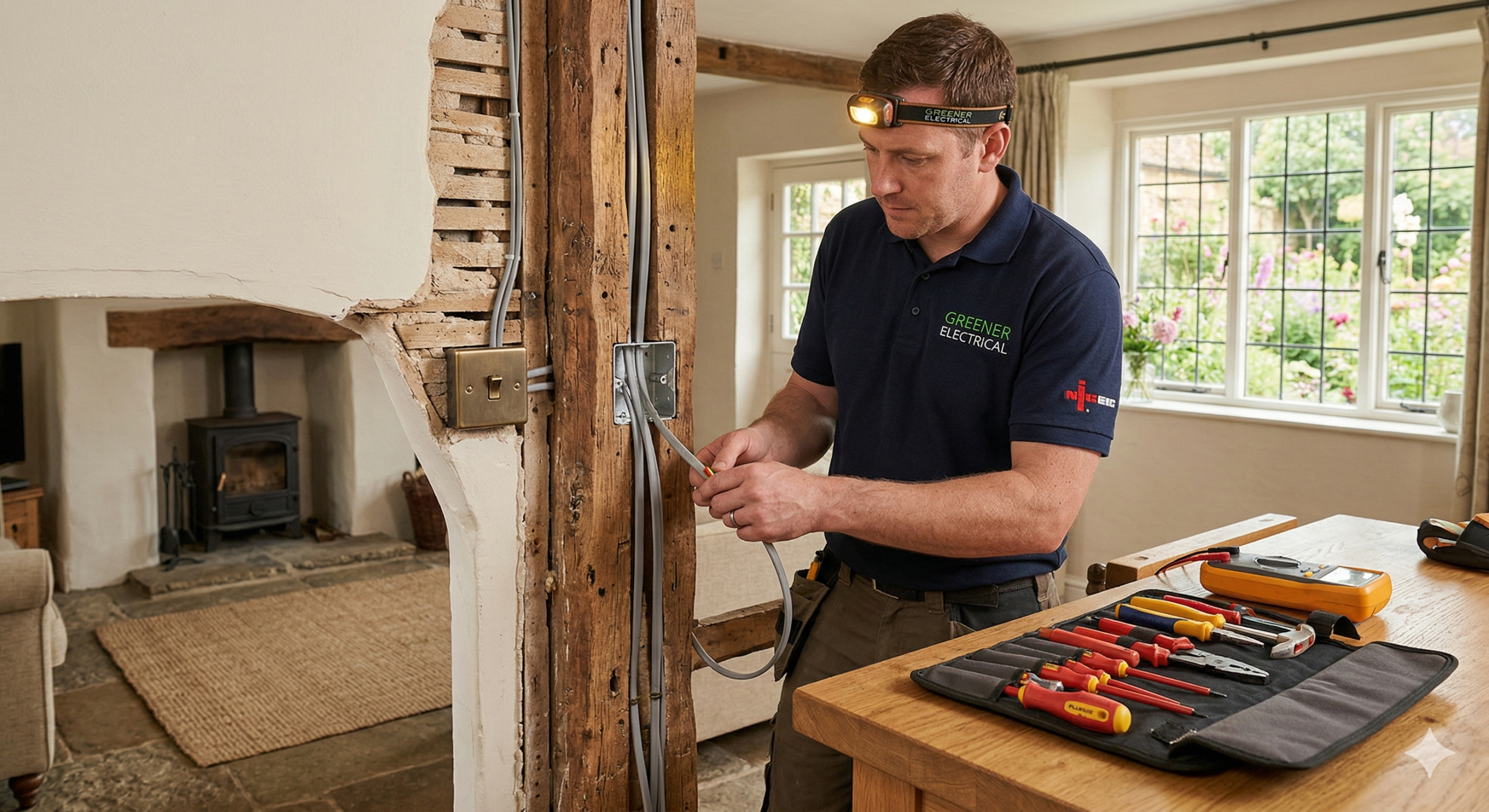
Knowing how to safely modernise electrics in grade-listed buildings is one of the most complex challenges a heritage property owner can face, and with electrical hazards accounting for 53.4% of all accidental dwelling fires in England, getting it right is not optional. The stakes are high: outdated wiring in a centuries-old stone farmhouse or a Georgian townhouse carries serious risk, but any attempt to upgrade it must respect the building’s protected status, its historic fabric, and the specific consents required before a single cable is moved.
Key Takeaways
Why Grade Listed Buildings Carry Unique Electrical Risks
Grade listed buildings were constructed long before modern electrical systems existed. The wiring installed in many of these properties can be decades old, and in some cases, it predates current safety standards by half a century or more.
Old rubber-insulated cables become brittle and crack over time. Lead-sheathed wiring, aluminium conductors, and inadequate earthing arrangements are all common findings in heritage properties, and each one presents a genuine fire or shock hazard.
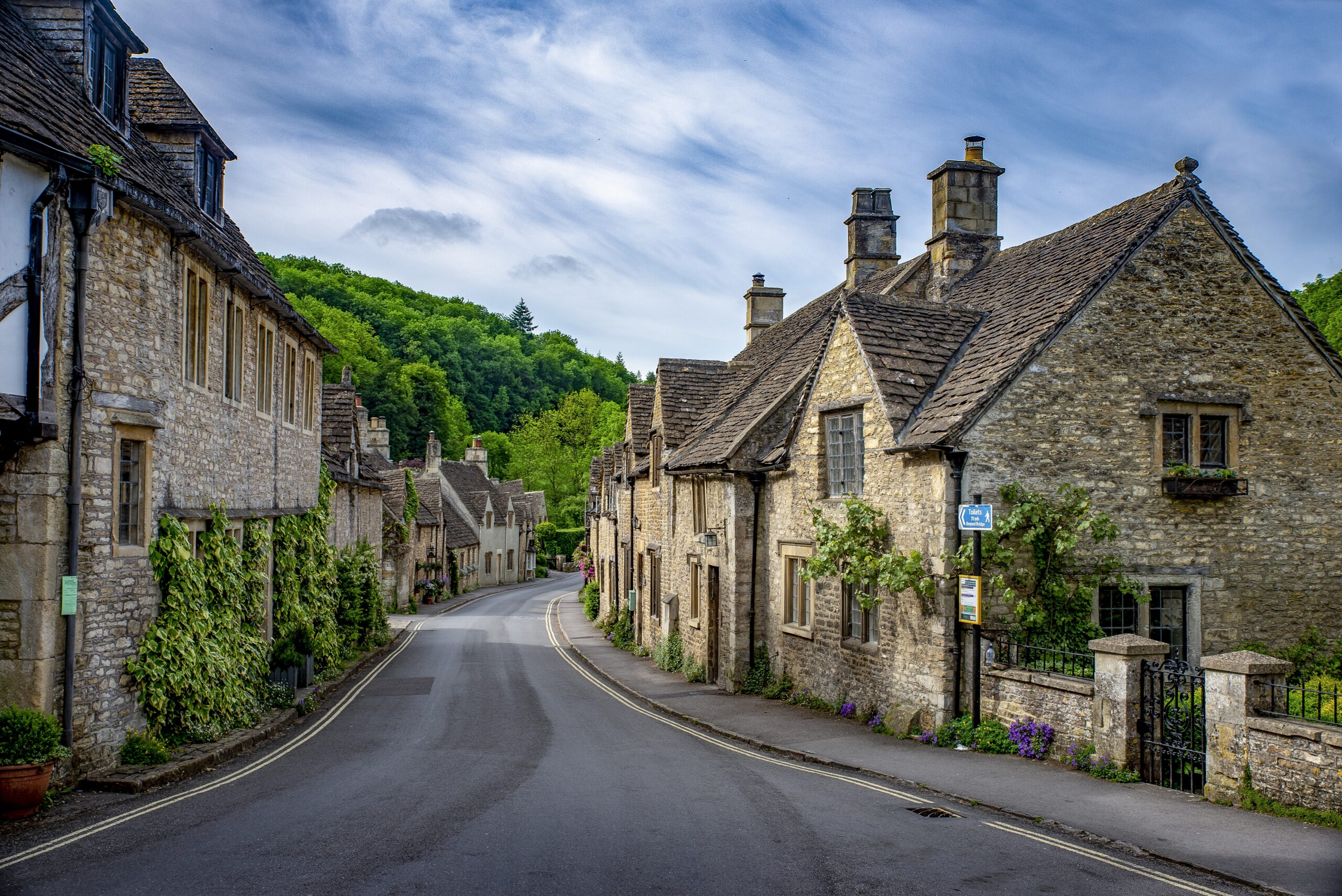
The average home in 2026 requires 50% more electrical capacity than properties built just 15 years ago, and this demand is applied to systems in listed buildings that were never designed to carry it. The result is frequently overloaded circuits, overheating at connections, and inadequate protection for modern appliances.
Compounding this is the fact that opening walls, lifting floors, or chasing cable routes through original plasterwork can permanently damage irreplaceable historic fabric. Every intervention must be planned carefully before any work begins.
How to Safely Modernise Electrics in Grade Listed Buildings: Start With a Condition Report
The first step in any safe electrical modernisation of a listed building is a thorough Electrical Installation Condition Report (EICR). This document assesses the current state of all circuits, identifies any immediate dangers, and codes each fault by urgency.
For a listed building, the EICR does more than establish a safety baseline. It tells you where aged wiring is most dangerous, which circuits are at or beyond capacity, and whether the earthing arrangement is adequate for modern use. This information directly shapes the scope of the modernisation project.
An EICR result comes back as either Satisfactory or Unsatisfactory, with any identified issues coded C1 (immediate danger), C2 (potentially dangerous), or C3 (improvement recommended). A C1 or C2 code requires urgent remediation, regardless of listed building status.
Insurers and mortgage lenders are increasingly requiring up-to-date EICR documentation, particularly for heritage properties. Without a current certificate, you may find your property becomes difficult to insure or sell.
Understanding Listed Building Consent for Electrical Work
Before you modernise electrics in a grade-listed building, you need to understand what permissions are required. Listed Building Consent (LBC) is a separate planning consent from standard planning permission, and it covers any works that affect the character of a listed building.
Electrical work that requires LBC typically includes fitting new consumer units in prominent positions, chasing cables through original plasterwork or stonework, installing new sockets or switches on historic surfaces, and any structural penetration of original fabric.
“93% of Listed Building Consent applications for energy efficiency measures are approved, but only 33% are decided within the 8-week timeframe. Planning ahead is not just advisable, it is essential.”
This means that even though approval is very likely for a well-prepared application, you must budget significant time before work can begin. Speak to your Local Planning Authority (LPA) at the earliest opportunity and, where possible, seek pre-application advice.
Your electrician should be familiar with the LBC process and able to provide technical documentation to support your application, including details of cable routes, materials, and methods that minimise impact on the historic fabric.
The Unique Challenges of Heritage Property Electrical Installations
Heritage buildings present a range of technical challenges that standard modern properties simply do not. Understanding these challenges is central to knowing how to safely modernise electrics in grade-listed buildings without creating new problems in the process.
Solid wall construction means there are few cavities in which to conceal cables. Running new circuits through 18-inch stone walls requires either surface-mounted conduit or careful hand-chasing, both of which must be agreed with the LPA.
Original plasterwork is frequently lime-based and irreplaceable. Disturbing it carelessly during cable installation can cause large sections to fail. A specialist electrician will use hand tools rather than power tools wherever original plasterwork is at risk.
Old consumer units and fuse boards are often rewired cast-iron or early Bakelite types with no residual current device (RCD) protection. These provide zero protection against shock and significantly increase fire risk. Upgrading to a modern consumer unit with full RCD protection is one of the most important safety improvements you can make.
Inadequate earthing is common in older properties. Pre-1966 properties may have no earth at all, or use a TT earthing arrangement (earth rod rather than utility earth) that requires careful assessment before any work begins.
- Rubber and fabric-insulated cables: These degrade over decades and can crumble when touched, creating immediate fire and shock hazards.
- Knob-and-tube wiring: Found in some very old properties, this system has no earth conductor and is incompatible with modern circuit requirements.
- Lead-sheathed cables: Common in mid-20th century properties, these are a health and safety concern in addition to an electrical one.
- Asbestos insulation: Present in some older buildings around switch gear or boilers, this requires specialist removal before electrical work can proceed safely.
How to Safely Modernise Electrics in Grade Listed Buildings: The Step-by-Step Process
A safe, compliant modernisation of electrical systems in a listed building follows a logical sequence. Skipping any step risks either damaging the building or producing work that fails to meet BS 7671 wiring regulations.
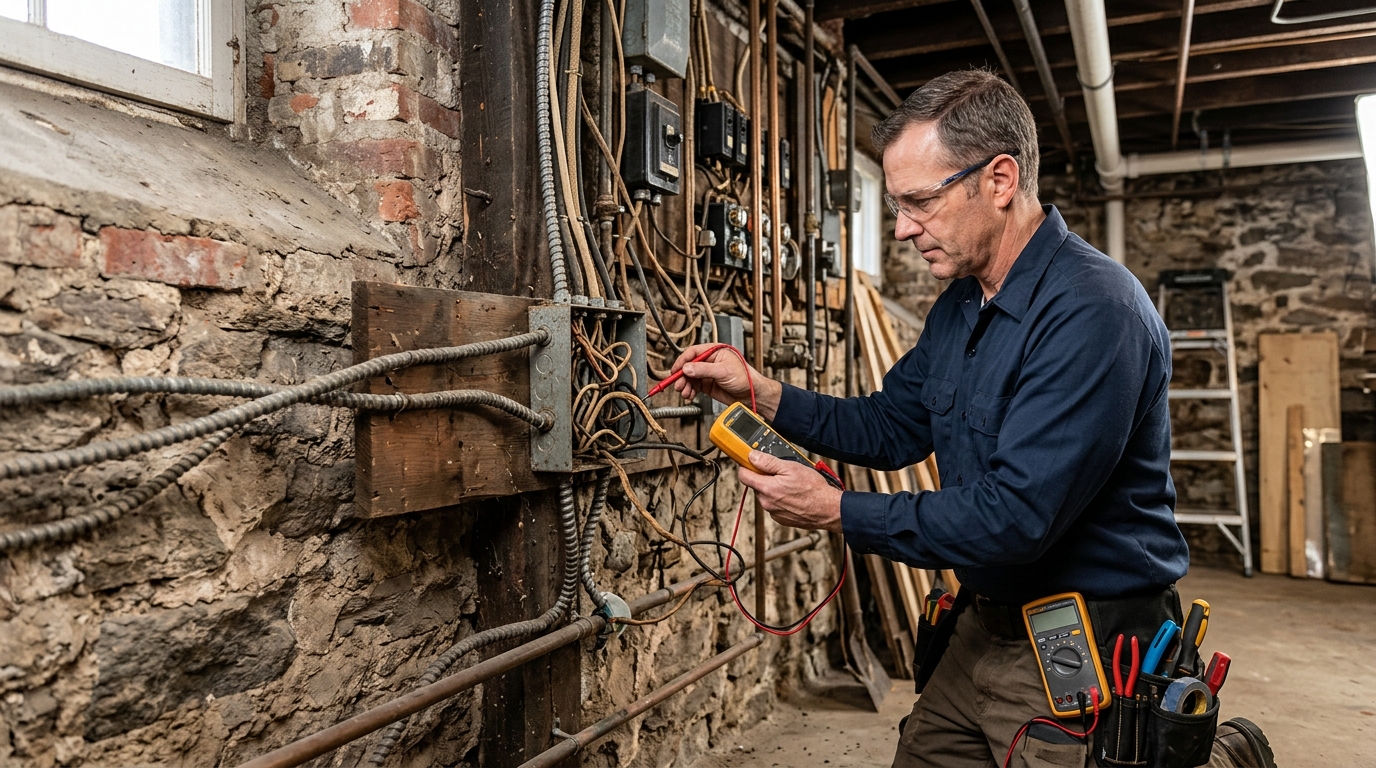
- Commission a full EICR from a NICEIC-registered electrician with heritage property experience.
- Assess the results and prioritise any C1 or C2 faults for immediate action, even if this precedes a full modernisation project.
- Engage your Local Planning Authority via pre-application advice before committing to a specific approach.
- Submit a Listed Building Consent application with full technical drawings and method statements showing how historic fabric will be protected.
- Agree a cable routing plan that minimises penetration of original materials, using existing voids, underfloor runs, and surface-mounted conduit where permitted.
- Carry out the rewire in stages where the building is occupied, working room by room to minimise disruption.
- Upgrade the consumer unit to a modern dual-RCD or RCBO-protected board, installed in a location agreed with the LPA.
- Test and certify all new work to BS 7671 and obtain the appropriate electrical certificates before reconnection.
A concise five-step guide for safely updating electrical systems in grade-listed buildings. It balances heritage preservation with modern safety standards.
How to Conceal Modern Wiring in Character Properties
One of the most practical concerns when you modernise electrics in a listed building is how to run new cables without creating an eyesore or damaging protected surfaces. There are several well-established approaches that experienced heritage electricians use.
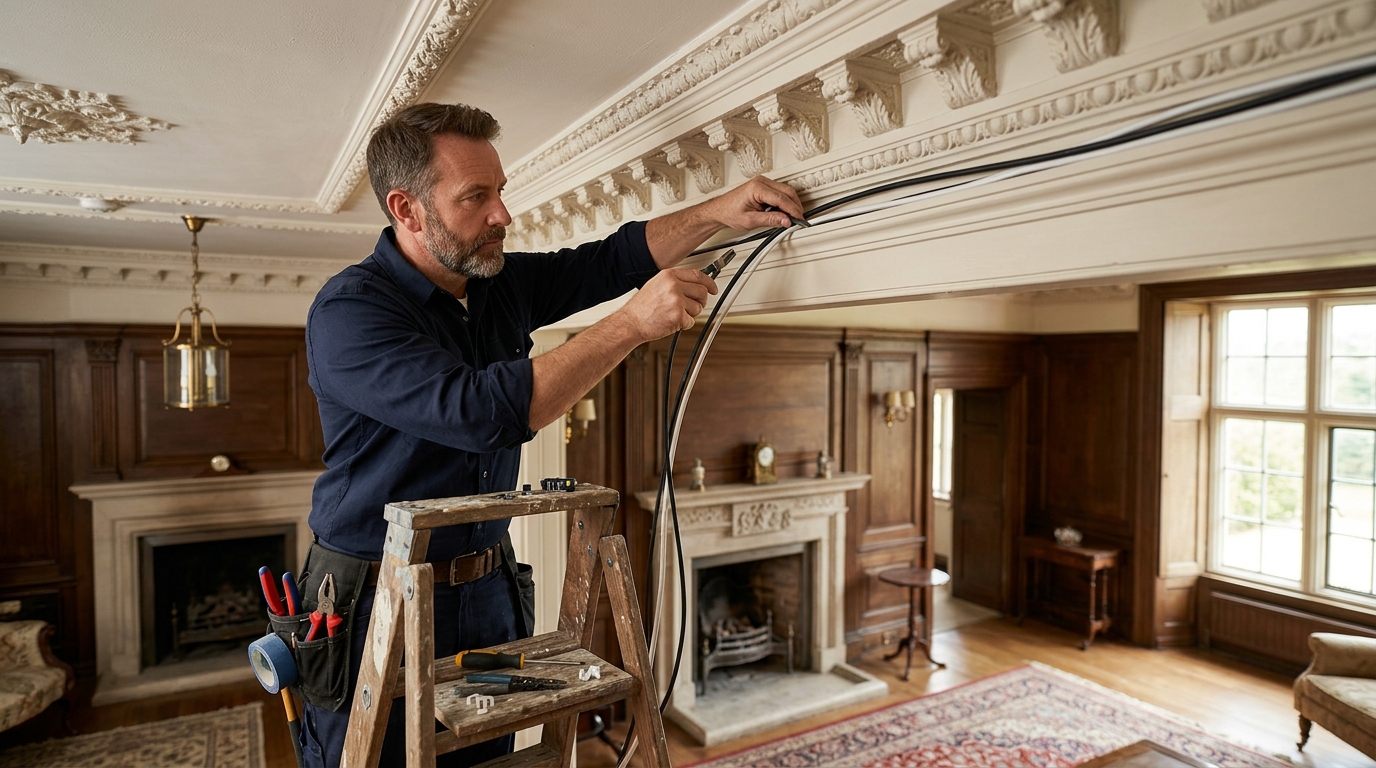
Underfloor runs are often the least invasive option in properties with suspended timber floors. Lifting and relaying boards causes minimal long-term damage and allows cables to be distributed across multiple rooms.
Surface-mounted conduit in period-appropriate materials can be installed without touching original plasterwork. Brass or painted steel conduit, fitted at picture-rail height, is often acceptable to conservation officers and can add a period-appropriate aesthetic.
Existing service runs, including old pipe chases and chimney voids, can sometimes be repurposed for cable routing with very little new disturbance to the building.
Wireless systems for switching and control eliminate the need to run control cables to every switch position. A single power circuit is run to a lighting point, and switching is handled wirelessly. This approach is particularly valuable in rooms with important original plasterwork or panelling.
EICR Testing as an Ongoing Safety Measure for Listed Buildings
Even after a successful electrical modernisation, ongoing condition monitoring remains essential for grade-listed buildings. The BS 7671 wiring regulations recommend an EICR every 10 years for owner-occupied properties, and this recommendation applies regardless of listed status.
For heritage properties with mixed-age wiring (where some original circuits remain alongside newer additions), we recommend testing every 5 years. Conditions in old buildings change: damp ingress, vermin, and the settlement of very old structures can all affect wiring integrity between inspections.
A current EICR also satisfies insurer requirements. Heritage properties are often insured with specialist underwriters who require documented evidence of electrical safety as a condition of cover. An outdated certificate can result in a claim being rejected after a fire.
Upgrading the Consumer Unit in a Grade Listed Building
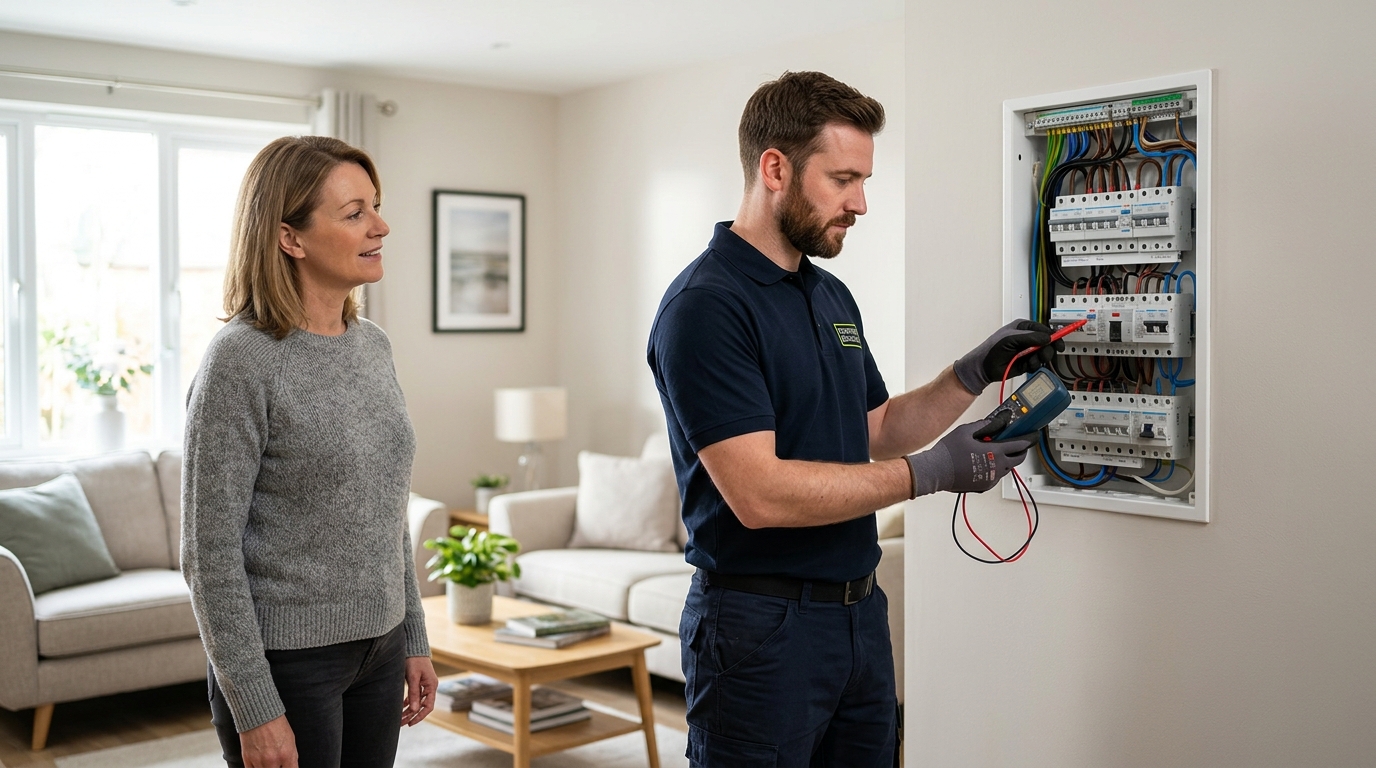
The consumer unit (fuse board) is the heart of your property’s electrical system. In many listed buildings, the existing consumer unit is a rewirable fuse type with no RCD protection, providing no defence against the two most serious electrical hazards: fire from overloaded circuits and electrocution from contact with live conductors.
Replacing it with a modern unit fitted with RCBOs (Residual Current Breaker with Overload protection) gives each circuit its own protective device. This means a fault on one circuit trips that circuit only, rather than taking out half the house.
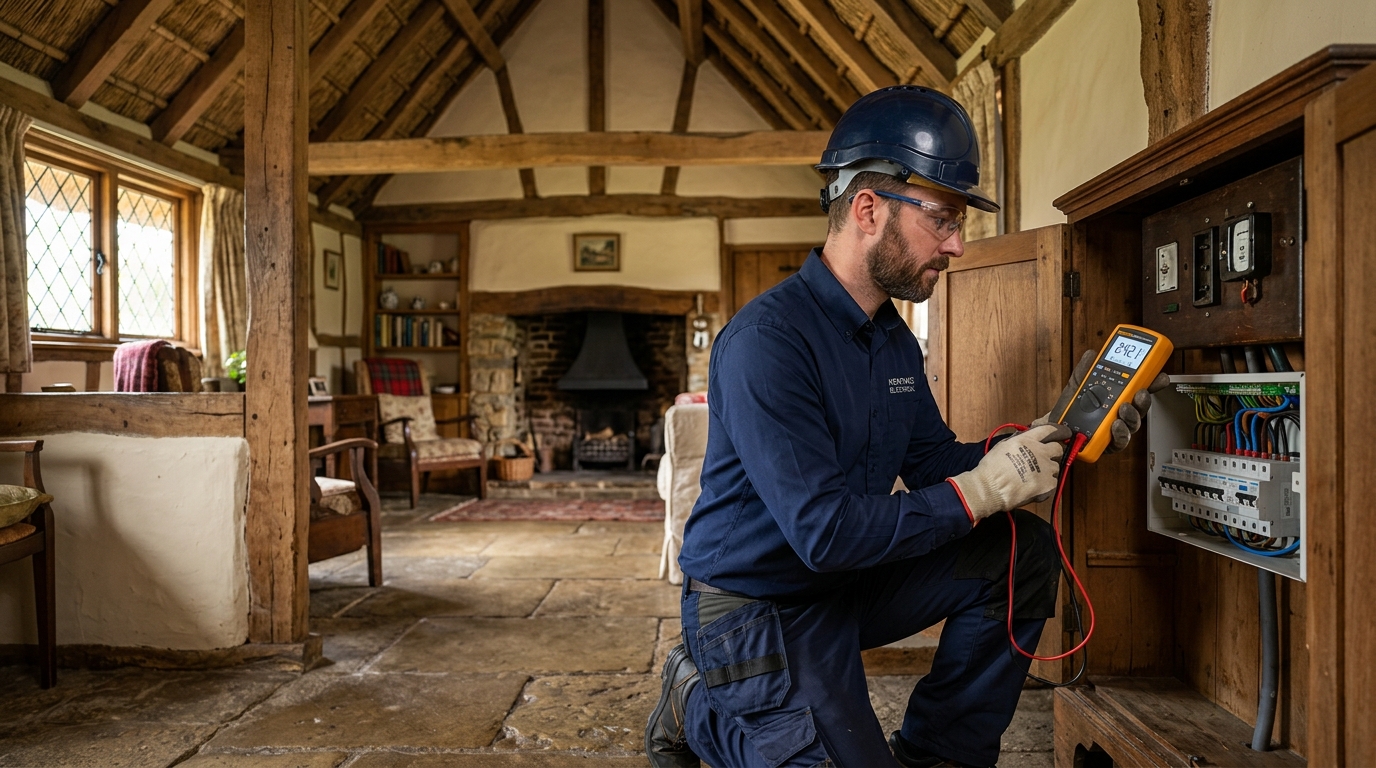
The location of the new consumer unit matters in a listed building. It must be agreed with the LPA and installed in a position that does not damage or visually harm any significant historic feature. In some properties, a meter cupboard or existing service room provides a natural, unobtrusive location.
Smart Home Technology That Works in Listed Buildings Without Causing Damage
The question of how to safely modernise electrics in grade listed buildings increasingly includes smart technology. In 2026, there are many wireless and low-impact smart systems that can be integrated into a protected building without requiring invasive cable runs or significant physical alteration.
Wireless smart lighting systems use battery-powered switches that mount to walls without chasing. The luminaires themselves are connected to a standard circuit, and the switching is handled via a wireless protocol such as Zigbee or Z-Wave. No new control wiring is required.
Smart thermostats and heating controls connect via Wi-Fi and require only a single connection point at the boiler or heat pump. They are among the least invasive smart technologies available and can deliver significant energy savings in buildings where heating efficiency has historically been poor.
Smart plugs and power monitoring add intelligence to standard outlets without any wiring changes at all. They allow appliance-level energy monitoring and scheduling, helping to manage loads on circuits that may have limited spare capacity.
Choosing the Right Electrician to Modernise Electrics in a Grade Listed Building
The single most important decision you will make when planning how to safely modernise electrics in a grade listed building is which electrician to appoint. Not every qualified electrician has the knowledge or experience to work sensitively in a heritage context.
Look for the following qualifications and attributes when selecting your electrician:
- NICEIC registration: The National Inspection Council for Electrical Installation Contracting is the industry’s primary competent person scheme. NICEIC-registered electricians are regularly assessed for technical competence.
- BS 7671 compliance: All work should be carried out to the current edition of the IET Wiring Regulations. In 2026, this means compliance with the 18th Edition Amendment 2.
- Heritage property experience: Ask specifically about previous experience in listed buildings. Request examples and references.
- Familiarity with Listed Building Consent: Your electrician should understand the consent process and be able to contribute technical information to your application.
- Insurance: Public liability insurance of at least £2 million and, for listed buildings, confirmation that the insurer is aware of the nature of the work.
We cover heritage electrical projects across Wiltshire, including Marlborough and its surrounding villages and Trowbridge, where many of the county’s most significant listed buildings are located.
What to Expect During a Heritage Rewiring Project
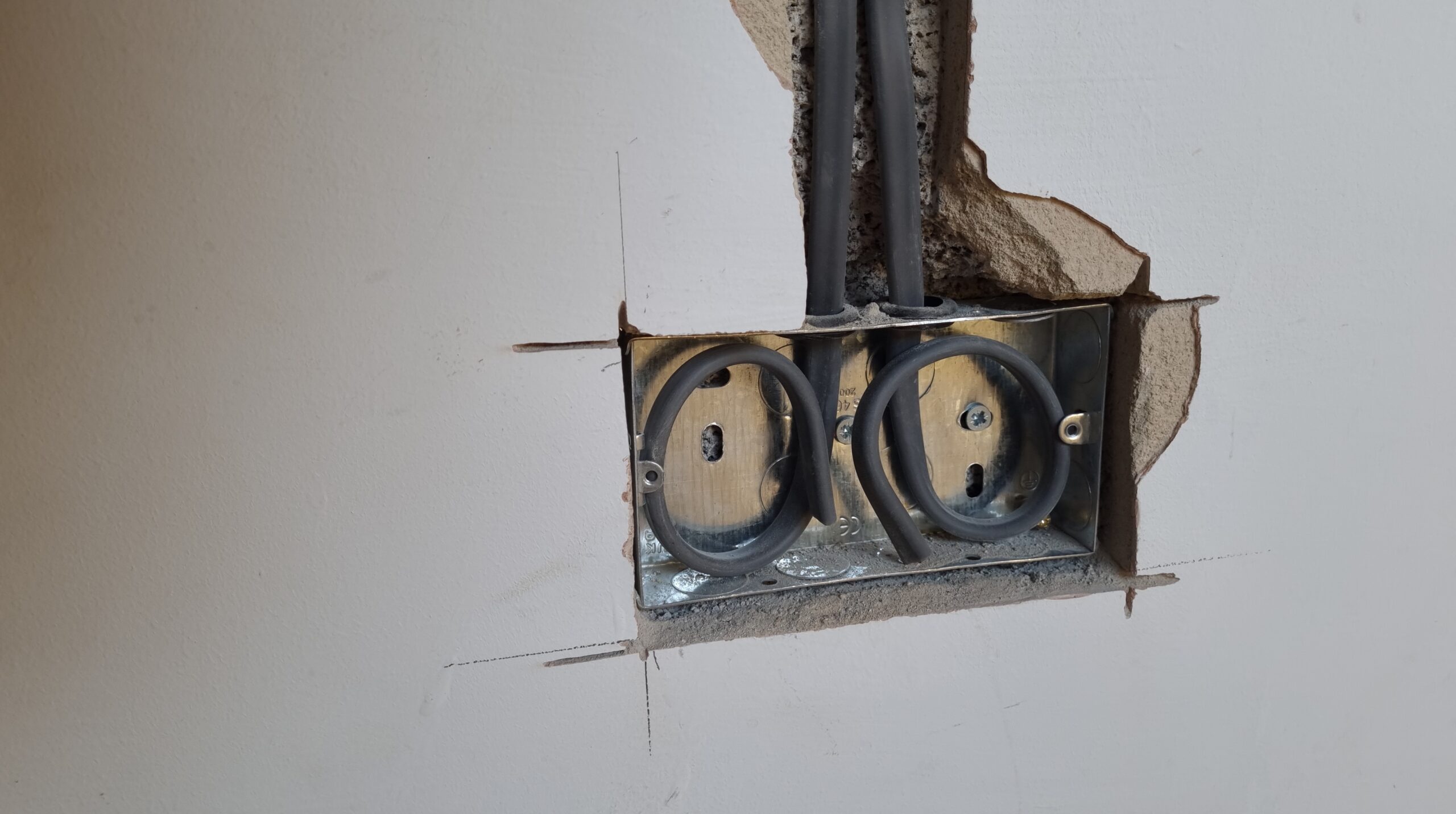
A heritage rewiring project takes longer than a standard domestic rewire, and it requires more planning at every stage. Understanding the typical process helps you manage expectations and minimise disruption during the works.
Survey and design phase: Your electrician will carry out a detailed survey of the existing installation and the building fabric, identifying cable routes, circuit requirements, and any areas of concern. This usually takes a full day in a larger property.
Pre-works agreement: Before any work begins, the agreed method statement is confirmed with you and, where required, with the LPA or conservation officer. No significant work should commence without this agreement in place.
Phased execution: In occupied properties, rewiring is usually carried out room by room. Power is maintained to the rest of the property during each phase, with temporary supplies arranged where necessary.
Making good: After cables are run, any disturbed plasterwork, floorboards, or other surfaces are reinstated to their original condition. In listed buildings, this often involves specialist lime plasterwork or careful board relaying.
Testing and certification: All new work is tested to BS 7671 before any circuits are energised. You receive a full set of electrical certificates and a new EICR upon completion.
Conclusion
Knowing how to safely modernise electrics in grade listed buildings requires patience, the right professional team, and a clear plan that respects both the safety requirements of modern electrical standards and the legal protections that apply to your building.
The process always starts with a thorough EICR to establish what you have and what risks exist. It then moves through the Listed Building Consent process, careful design of cable routes and equipment positions, and methodical execution by a NICEIC-registered electrician with genuine heritage experience.
Done correctly, modernising electrics in a listed building dramatically improves safety, reduces fire risk, supports modern appliance loads, and often improves energy efficiency. It also protects the long-term value of the property and keeps it insurable and mortgageable.
If you are ready to discuss a heritage electrical modernisation project, our team works across Wiltshire and we are familiar with the specific requirements of the county’s listed building stock. Get in touch with us today for a no-obligation assessment, or explore our full range of electrical services for heritage and modern properties across the region.
Frequently Asked Questions
Do I need Listed Building Consent before I can modernise electrics in my grade listed building?
In most cases, yes. Any electrical work that involves penetrating, removing, or altering historic fabric, including chasing cables into original plasterwork or fitting a consumer unit onto a listed wall, will require Listed Building Consent. We recommend contacting your Local Planning Authority for pre-application advice before commissioning any work to safely modernise electrics in your grade listed building.
Is it safe to live in a grade listed building with original wiring still in place?
It depends on the condition of the wiring. Some original installations remain serviceable if they have been well maintained, but rubber-insulated or fabric-insulated cables from the mid-20th century are typically at end of life and pose a real fire risk. An EICR will tell you whether the existing installation is safe or requires immediate attention to modernise electrics in your listed building safely.
How long does it take to rewire a grade listed building in 2026?
A full rewire of a listed building takes considerably longer than a standard rewire, often two to three times as long, due to the careful methods required to protect historic fabric. A 3-4 bedroom listed property might take two to three weeks to rewire safely, depending on access, the complexity of the original structure, and whether Listed Building Consent is already in place.
Can I install LED lighting and smart switches in a grade listed building without Listed Building Consent?
Replacing like-for-like light fittings with LED equivalents generally does not require Listed Building Consent, as long as the fittings themselves are of a similar size and the work does not alter any historic fabric. Installing smart switches or new socket positions is more likely to require consent, particularly if new cable runs are needed. Always check with your conservation officer before proceeding.
What is the best way to upgrade a fuse board in a listed building without damaging original features?
The consumer unit should be sited in an existing service area, utility room, or purpose-made enclosure that can be agreed with the LPA before work begins. A modern RCBO-protected board installed in an unobtrusive location provides full protection without altering any significant historic interior. Your electrician can advise on the most appropriate position during the survey phase of the project to safely modernise electrics in your grade-listed building.
Will modernising the electrics in my listed building affect its heritage value?
A well-executed electrical modernisation, planned carefully and carried out by an experienced heritage electrician, should have no negative impact on heritage value. Conservation officers generally support electrical safety improvements, particularly where the methods used cause minimal disturbance to original fabric. In fact, a safe, certified installation can increase the property’s appeal to buyers and insurers alike.
How much does it cost to get an EICR for a grade listed building in Wiltshire in 2026?
EICR costs vary depending on the size of the property and the complexity of the installation, but for most domestic listed buildings in Wiltshire, you can expect to pay between £150 and £350 for a full inspection and report. Properties with extensive original wiring or multiple sub-boards may cost more. Contact us for a specific quote tailored to your building.