• Ultimate Guide to Landlord Electrical Safety Certificates in 2026

    Ultimate Guide to Landlord Electrical Safety Certificates in 2026

    This ultimate guide to landlord electrical safety certificates in 2026 covers everything you need to know to stay legally compliant, protect your tenants, and avoid crippling financial penalties. A striking 49% of all Electrical Installation Condition Reports (EICRs) across the UK are due for renewal this year, creating an unprecedented demand surge driven by the five-year anniversary of the 2021 mandatory safety regulations — meaning landlords who delay booking their inspections now risk long waiting lists, higher costs, and serious legal exposure.

    Key Takeaways

    Question Answer
    What is a landlord electrical safety certificate? It is a formal document produced after an Electrical Installation Condition Report (EICR) confirming your rental property’s wiring is safe and compliant with current regulations.
    Is an EICR legally required for landlords in 2026? Yes. The Electrical Safety Standards in the Private Rented Sector (England) Regulations 2020 require all private landlords to hold a valid EICR, renewed every five years.
    How much does an EICR cost in 2026? A standard EICR for a 3-bedroom house typically costs between £220 and £320 + VAT, with additional costs for any remedial work required.
    What is the fine for not having a valid electrical safety certificate? Fines can reach up to £40,000 as of 2026, following a legislative increase from the previous £30,000 cap.
    Who can carry out an EICR? Only a qualified, competent electrician registered with a recognised body such as NICEIC can legally conduct and certify an EICR for a rental property.
    What happens if a rental property fails an EICR? The landlord must complete all required remedial work within 28 days (or a shorter timeframe if specified) and obtain written confirmation from the electrician that it has been rectified.
    Where can I get a certified EICR in Wiltshire? We provide EICR testing across Wiltshire, covering rental properties of all types with full NICEIC certification.

    What Is a Landlord Electrical Safety Certificate?

    A landlord electrical safety certificate, more formally known as an Electrical Installation Condition Report (EICR), is the official document produced by a qualified electrician after a thorough inspection of your rental property’s wiring, consumer unit, sockets, switches, and all fixed electrical installations.

    The report classifies any issues found using a colour-coded system that tells you exactly what action, if any, needs to be taken. It is not a pass/fail document in the traditional sense — it is a detailed health check with a formal outcome of either “Satisfactory” or “Unsatisfactory.”

    A satisfactory EICR is your landlord electrical safety certificate. It confirms the installation is safe for continued use, protects you legally, and must be shared with your existing tenants within 28 days and with any new tenant before they move in.

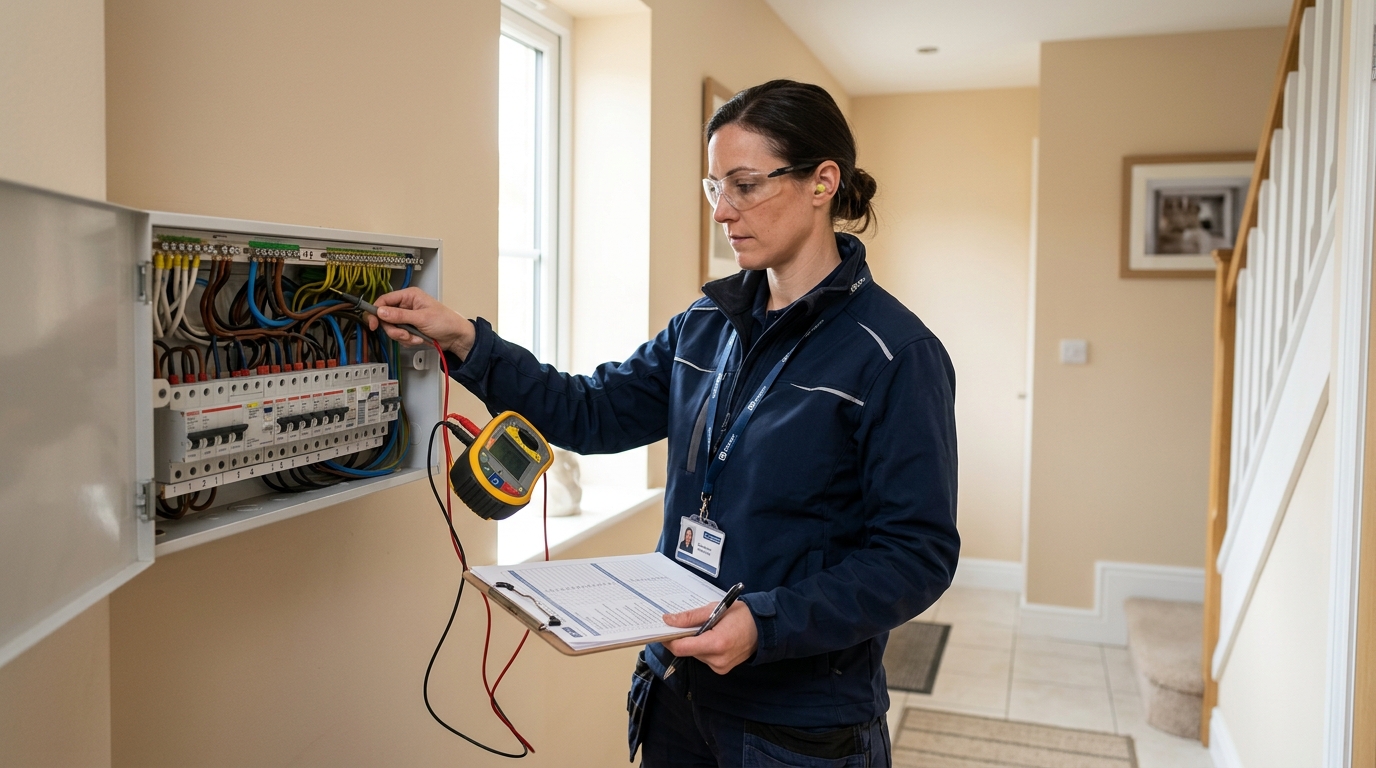
    EICR inspection for landlord electrical safety certificate
    EICR electrical testing illustration

    Why the Ultimate Guide to Landlord Electrical Safety Certificates in 2026 Matters More Than Ever

    The stakes around electrical safety certificates have never been higher for landlords. The combination of a mass renewal cycle, significantly increased penalties, and a growing shortage of qualified inspectors makes 2026 a genuinely critical year for the private rented sector.

    Electrical failure or malfunction accounts for 15% of all fatal home fires in the UK. Beyond the moral obligation to protect your tenants, the legal and financial risks of non-compliance are now serious enough to threaten your entire property portfolio.

    Local authority enforcement has sharpened significantly. Councils across England now have clearer powers to issue civil penalty notices, and they are using them. The question is not whether you can afford to get your electrical safety certificate — it is whether you can afford not to.

    Our full range of electrical services is specifically designed for landlords who need reliable, certified inspections without the administrative headache.

    The Legal Requirements for Landlord Electrical Safety Certificates in 2026

    The Electrical Safety Standards in the Private Rented Sector (England) Regulations 2020 set out clear obligations for every private landlord. In 2026, these rules apply to virtually all tenancies in the private rented sector, with no exceptions for short-term or HMO landlords.

    Here is what the law requires of you as a landlord in 2026:

    • Have the electrical installation inspected and tested by a qualified person at least every five years
    • Obtain a written report (your EICR) with results and details of any work required
    • Supply a copy of the EICR to each existing tenant within 28 days of the inspection
    • Give a copy to any prospective tenant before they move in
    • Supply the local authority with a copy of the report within 7 days of a written request
    • Retain the EICR until the next inspection and give a copy to the next inspector
    • Complete any remedial work identified within 28 days (or sooner if specified in the report)

    Failure to comply with any of these requirements can result in the local authority arranging remedial work at the landlord’s expense — and issuing a financial penalty on top.

    Did You Know?

    32% of landlords are currently at risk of major fines because they are either unsure if their EICR is valid or know they do not have one at all.
    Source: aptnewsinc.com

    Understanding EICR Grades: What Your Electrical Safety Certificate Report Means

    When your electrician completes the inspection, every finding is assigned a code. Understanding these codes is essential for every landlord reviewing their electrical safety certificate documentation.

    Code Meaning Action Required
    C1 – Danger Present Risk of injury is present Immediate remedial action required. The electrician may make safe before leaving.
    C2 – Potentially Dangerous Potential danger exists Urgent remedial work required — your report will be classed as Unsatisfactory.
    C3 – Improvement Recommended Does not meet current standards but not dangerous Remedial work recommended but report can still be Satisfactory.
    FI – Further Investigation Issue requires further investigation Investigation must be completed without delay — report is Unsatisfactory.

    A property with only C3 codes can still receive a Satisfactory certificate. Any C1, C2, or FI code results in an Unsatisfactory outcome — meaning you do not yet hold a valid landlord electrical safety certificate until all required works are completed and the installation is re-tested.

    The two most common reasons for EICR failure are missing RCD protection and incorrect bathroom light fittings (exposed bulbs without waterproof covers). Addressing these before booking your inspection can save you both time and money.

    EICR report guide for landlord electrical safety certificates

    What Happens During an EICR Inspection for a Rental Property?

    Understanding the inspection process helps you prepare your property, brief your tenants, and set realistic expectations about the time involved. A thorough EICR is not a quick visit — for a standard 3-bedroom property, expect the inspection to take between 3 and 5 hours.

    Here is what the electrician will check during a landlord electrical safety inspection:

    • The consumer unit (fuse board) — checking for RCD protection, correct circuit breaker ratings, and signs of overheating or damage
    • All fixed wiring — including cables behind walls and ceilings, and their connection points
    • Sockets, switches, and light fittings — checking for correct installation, earthing, and condition
    • Earthing and bonding arrangements throughout the property
    • Special locations — kitchens, bathrooms, and outdoors where additional zone requirements apply
    • Any previous defects noted on the last EICR to confirm they have been addressed

    The electrician will need access to all rooms, the consumer unit, and ideally the meter cupboard. Tenants should be informed in advance that the power may be turned off to specific circuits during testing — this is standard procedure and not a sign of a problem.

    Electrician conducting EICR inspection

    How Often Do Landlords Need an Electrical Safety Certificate in 2026?

    The standard renewal cycle for a landlord electrical safety certificate is every five years. This is the legal minimum — your electrician may recommend more frequent testing if significant issues were found during the last inspection, the property is older, or there have been major works since the last certificate was issued.

    For HMOs (Houses in Multiple Occupation), the same five-year rule applies, but given the higher occupancy levels and greater electrical load typical in shared properties, we often recommend budgeting for more detailed inspections and, where necessary, proactive consumer unit upgrades to ensure continued compliance.

    If you are unsure whether your current certificate is valid, do not guess — contact a qualified electrician immediately. Our specialist landlord electrical services include a free initial consultation to check your current compliance status.


    Infographic: 5 key steps to EICR certification for rental properties in 2026 (landlord electrical safety certificates)

    A visual guide showing the five steps to EICR certification for rental properties in 2026. Perfect for landlords aiming for compliant electrical safety certificates.

    What to Do If Your Rental Property Fails an EICR

    Receiving an Unsatisfactory EICR outcome is not the end of the world — but it does require swift, documented action. The 28-day deadline for completing remedial works is strict, and local authorities can and do follow up.

    Here is the step-by-step process to follow after a failed electrical safety inspection:

    1. Read the report carefully. Identify every C1, C2, and FI item listed. These are the defects that must be resolved before your certificate can be reissued.
    2. Get a written quote for remedial work. Use the same NICEIC-registered electrician where possible — they already understand the installation and can work more efficiently.
    3. Schedule the works promptly. Do not leave it until day 27 — contractor availability can be limited, especially in 2026 with the high volume of inspections and remedial work nationally.
    4. Obtain written confirmation. Once the remedial work is complete, the electrician must provide written confirmation that the installation meets the required standard. This serves as your updated landlord electrical safety certificate documentation.
    5. Distribute the updated report. Send the confirmation to all tenants within 28 days and retain it for your records and future inspections.

    For older properties where the underlying wiring is the root cause of failure, a partial or full rewire may be necessary. Our team handles rewiring across Wiltshire with minimal disruption and full certification on completion.

    House rewiring for landlord electrical safety compliance

    The Financial Risks: What Non-Compliance Really Costs in 2026

    Many landlords underestimate the financial exposure of failing to hold a valid electrical safety certificate. The direct costs of non-compliance go well beyond the fine itself.

    Beyond the headline penalty, consider these secondary financial consequences:

    • Your landlord insurance may be invalidated if a claim arises and you cannot produce a valid EICR
    • You cannot legally serve a Section 21 notice to end a tenancy without a valid electrical safety certificate, removing a key property management tool
    • Local authorities can carry out remedial works and charge you for them, often at premium contractor rates
    • Reputational damage with letting agents and future tenants can affect long-term rental income
    Did You Know?

    The maximum financial penalty for electrical safety breaches in rental properties has increased to £40,000 as of 2026, up from the previous £30,000 cap — making non-compliance a potentially catastrophic financial risk.

    How to Choose the Right Electrician for Your Landlord Electrical Safety Certificate in 2026

    Not every electrician is qualified to issue a landlord electrical safety certificate. The law requires that inspections are carried out by a “qualified and competent” person — and in practice, this means someone registered with a recognised body such as NICEIC, NAPIT, or ELECSA.

    Use these criteria when selecting an electrician for your EICR:

    • NICEIC or equivalent registration — verifiable on the relevant scheme’s online register
    • Experience with rental properties — landlord EICRs have specific reporting requirements that differ from homeowner inspections
    • Clear written quotes — covering both the inspection fee and a transparent approach to any remedial work estimates
    • Availability to provide the written confirmation letter after remedial works — this is a legal requirement and not all electricians are thorough with their paperwork
    • Local knowledge — electricians familiar with the local housing stock (particularly older and period properties) will complete inspections more accurately

    We are NICEIC registered and work exclusively with landlords, homeowners, and businesses across Wiltshire. If you need a qualified electrician in the area, our Devizes electrician team is ready to help with all EICR and certification requirements.

    EICR Costs in 2026: What Landlords Should Budget For

    A standard EICR for a typical 3-bedroom rental property in 2026 costs between £220 and £320 + VAT. Larger properties, HMOs, or properties with complex electrical systems will typically be quoted higher.

    Here is a realistic cost breakdown landlords should plan for:

    Item Typical Cost in 2026 Notes
    EICR (1-2 bed property) £150 – £250 + VAT Lower complexity, fewer circuits
    EICR (3-4 bed property) £220 – £320 + VAT Standard rental property range
    Consumer unit upgrade (RCD protection) £400 – £700 + VAT Most common C2 remedial requirement
    Bathroom light fitting replacement £80 – £150 + VAT per fitting IP-rated fittings for zones
    Partial rewire (specific circuits) £500 – £2,000 + VAT Depends on scope and access
    Full house rewire £3,500 – £8,000+ + VAT Size, age, and construction type are key factors

    With 12,602 EICRs needing to be completed every single day in 2026 to keep the UK’s 4.6 million rental properties compliant, there is a genuine risk that inspection prices will rise as demand outstrips supply. Booking your inspection now protects both your compliance status and your budget.

    Special Considerations: Electrical Safety Certificates for Heritage and Older Properties

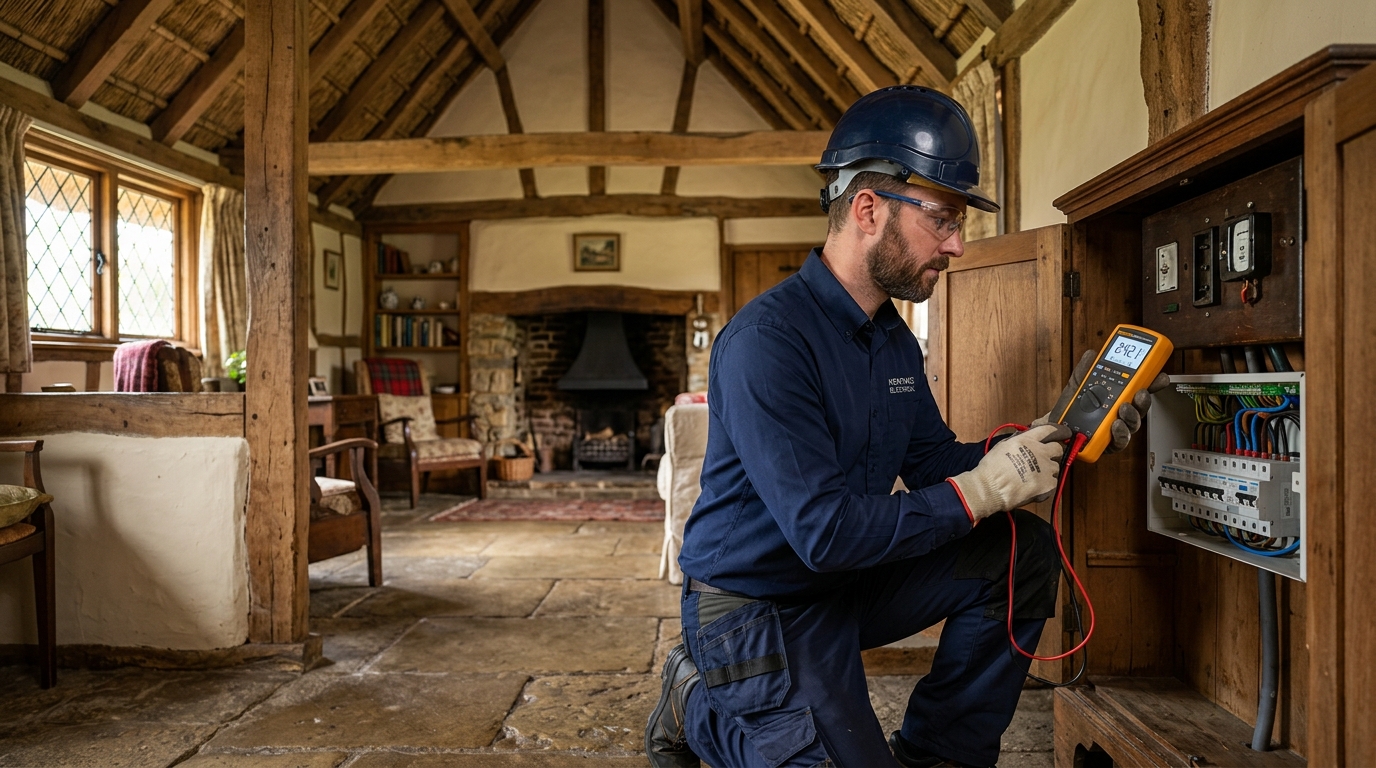
    A significant proportion of Wiltshire’s rental stock consists of period and heritage properties — buildings constructed well before modern wiring standards existed. These properties present unique challenges for EICR inspections and, where remedial work is needed, for the subsequent repair or rewiring works.

    Key considerations for landlords with older properties include:

    • Fabric sensitivity — running new cables through solid stone or brick walls requires specialist techniques to avoid damage to historic materials
    • Insurer requirements — heritage properties, particularly thatched properties, often have specific electrical compliance requirements set by their insurers that go beyond the legal minimum
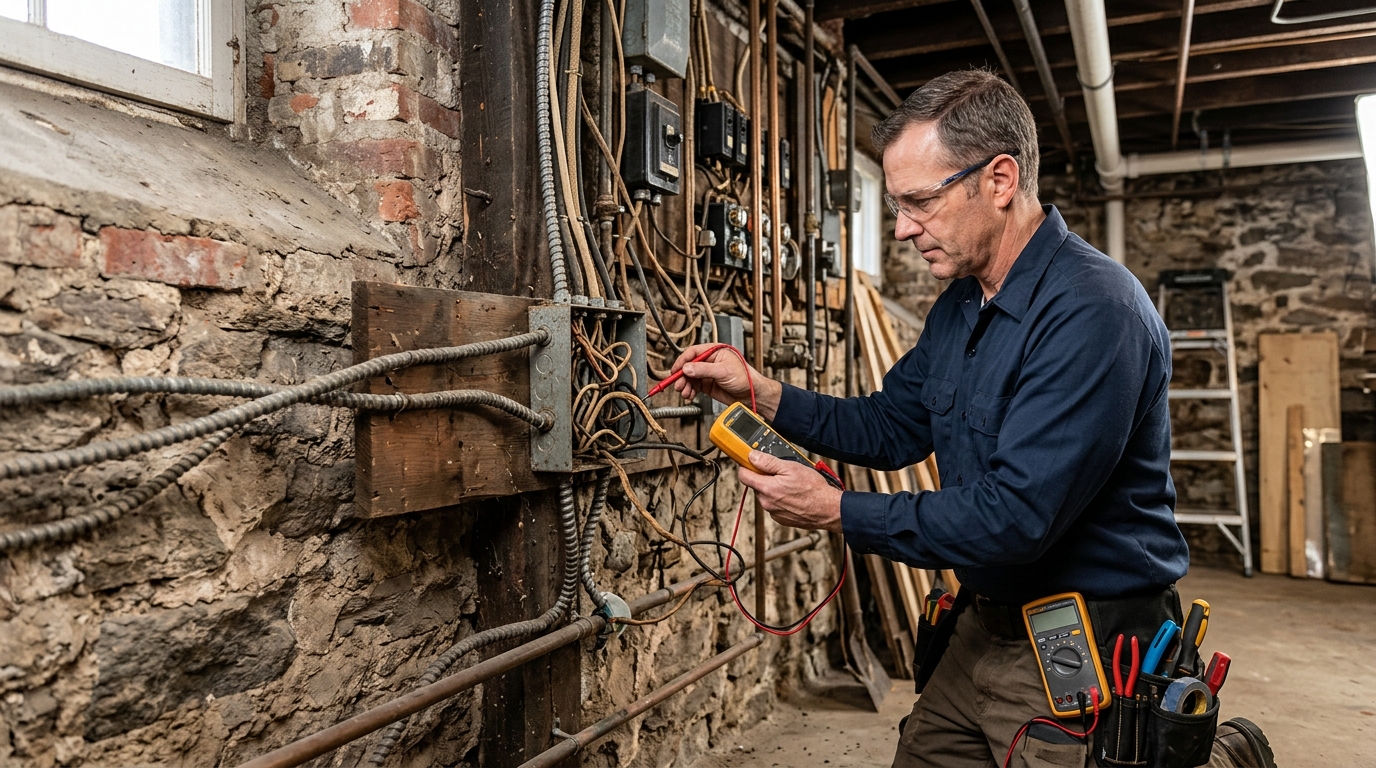
    • Legacy wiring — rubber-insulated wiring, aluminium wiring, or older wiring systems may be present and will almost certainly generate C1 or C2 codes during an EICR
    • Consumer unit location — older properties may have the consumer unit in a non-standard location, which can affect the scope and cost of upgrades

    Our electrical safety guidance for heritage and thatched properties covers the specific requirements for these property types in detail.

    Conclusion

    This ultimate guide to landlord electrical safety certificates in 2026 has covered every aspect of what you need to know — from the legal framework and inspection process, to understanding your EICR report, managing remedial works, and choosing the right qualified electrician.

    The bottom line is straightforward: holding a valid landlord electrical safety certificate is not optional, it is a legal requirement that protects your tenants, your investment, and your legal right to manage your property. With 2026 being the peak renewal year for certificates issued under the 2021 regulations, acting promptly is more important than ever.

    We recommend every landlord checks their current EICR expiry date today and books their next inspection well in advance of the deadline. If your property needs remedial works or a full rewire to achieve a satisfactory certificate, our team is ready to help — get in touch for a no-obligation quote and we will take care of the entire process from inspection through to certified completion.


    Frequently Asked Questions

    Is a landlord electrical safety certificate the same as an EICR in 2026?

    Yes — the landlord electrical safety certificate is the document produced as the outcome of an Electrical Installation Condition Report (EICR). When the inspection returns a Satisfactory result, that EICR report serves as your formal electrical safety certificate for the rental property.

    What happens if I don’t have an electrical safety certificate for my rental property in 2026?

    Without a valid landlord electrical safety certificate, you face fines of up to £40,000, you cannot legally serve a Section 21 eviction notice, and your landlord insurance may be invalidated in the event of a claim. Local authorities also have the power to carry out remedial works themselves and charge the costs back to you.

    How long does it take to get a landlord electrical safety certificate?

    The inspection itself typically takes 3 to 5 hours for a standard 3-bedroom property, and the EICR report is usually issued within a few days of the visit. If remedial works are required, you have 28 days to complete them before the certificate can be formally issued as Satisfactory.

    Can a tenant refuse access for an EICR inspection?

    A landlord must provide at least 24 hours’ written notice and make every reasonable effort to arrange the inspection at a mutually convenient time. If a tenant unreasonably refuses access after multiple attempts, landlords should document each attempt carefully — this evidence can be used to demonstrate compliance efforts to the local authority.

    Is an EICR worth getting even if it is not yet due?

    Yes, particularly in 2026. With unprecedented demand for inspections, booking ahead of your legal deadline avoids the risk of contractor shortages and potential periods of non-compliance. For older properties, an early inspection can also identify issues before they become costly emergencies.

    What is the most common reason a rental property fails an EICR in 2026?

    The two most common failure points are missing RCD protection in the consumer unit (a C2 code requiring an urgent upgrade) and incorrectly specified light fittings in bathrooms. Addressing these before your inspection can save both time and the cost of a re-inspection visit.

    Do I need a separate electrical safety certificate for each rental property I own?

    Yes — each individual rental property requires its own separate EICR and landlord electrical safety certificate. There is no group or portfolio certificate option. Each property’s electrical installation is assessed independently, and each requires its own documentation to be shared with the tenants of that specific property.

  • Reliable Electrical Solutions for Thatched Roof and Heritage Homes: Your Complete 2026 Guide

    Reliable Electrical Solutions for Thatched Roof and Heritage Homes: Your Complete 2026 Guide

    When it comes to reliable electrical solutions for thatched roof and heritage homes, the stakes could not be higher. Electrical faults are the second largest cause of fires in thatched homes, a sobering fact that makes choosing the right specialist electrician one of the most important decisions you will make as a heritage homeowner.

    Blog illustration

    Key Takeaways

    Question Answer
    Do thatched homes need a specialist electrician? Yes. Thatched and heritage properties require electricians experienced in working with delicate, older building materials and meeting specific insurer requirements.
    What is an EICR and do I need one? An Electrical Installation Condition Report is a detailed inspection of your home’s wiring and electrics. Most specialist insurers require one for thatched properties. Learn more about electrical safety inspections.
    How often should a thatched home’s electrics be inspected? Many specialist insurers require an EICR every five years for thatched properties, compared to ten years for standard residential homes.
    Is rewiring a heritage home more complex than a standard property? Absolutely. Lath and plaster walls, original joinery, and period features all require careful, skilled handling. Heritage rewiring costs typically run 20-30% higher due to accessibility and repair complexities.
    How do I know if my heritage home’s wiring is outdated? Signs include rubber-sheathed cables, round-pin sockets, old-style fuse boxes, or wiring that has not been updated in over 25 years. A professional electrical review is the safest way to find out.
    What certifications should a heritage electrician hold? Look for NICEIC registration as a minimum. This means all work is certified and meets current electrical standards.
    Can I get emergency electrical help for my thatched property? Yes. A good specialist contractor will offer fast emergency callouts, getting to you quickly when faults arise in your heritage home.

    Why Thatched Roof and Heritage Homes Need Specialist Electrical Work

    Not all properties are created equal, and heritage homes are a world apart from modern builds. Thatched roofs, timber frames, lath and plaster walls, and centuries-old joinery all present challenges that a standard electrician simply is not equipped to handle safely or sympathetically.

    These properties give Wiltshire and the surrounding counties their character and charm, and we genuinely love working in them. But they also demand a very different approach to electrical work, one that balances safety with sensitivity to the original fabric of the building.

    Modern electrical demands have also increased significantly. Heritage homes were built long before high-load appliances, home office setups, and smart technology became everyday staples. Bringing these properties up to current standards without damaging their historic character is exactly what we specialise in.

    Blog illustration

    The Unique Challenges of Heritage Property Electrical Installations

    Working in a heritage or thatched property is genuinely different from working in a new build or standard residential home. The materials, the layouts, and the hidden surprises all add layers of complexity that the less experienced simply are not prepared for.

    Lath and plaster walls and ceilings, for example, can crack and crumble if handled roughly, damaging irreplaceable period features. Routing new cables through original timber frames requires patience, precision, and a real understanding of how these buildings are constructed.

    Older wiring types, including rubber-sheathed cables and early PVC wiring, can become brittle and dangerous over time. In a thatched home, where the roof itself is a combustible material, this risk is amplified enormously.

    Did You Know?

    Most specialist insurers require an Electrical Installation Condition Report (EICR) every 5 years for thatched properties, compared to 10 years for standard homes.

    Reliable Electrical Solutions for Thatched Roof and Heritage Homes: Rewiring Done Right

    Rewiring is one of the most significant electrical projects a heritage homeowner will undertake, and getting it right matters enormously. We specialise in expert rewiring without the hassle, working carefully around your home’s original features to protect what makes it special.

    Our approach begins with a thorough assessment of your existing wiring. We map out what is there, what condition it is in, and what needs to be replaced or upgraded before a single cable is touched.

    In thatched and heritage properties, this planning stage is even more critical. We identify the most sympathetic routes for new cabling, minimising the need for unnecessary cutting or chasing, and ensuring that wall repairs and finishes are handled with the care these buildings deserve.

    The end result is a home that meets current safety standards and is ready for modern electrical demands, all without compromising its historic character. If you are concerned about your wiring or thinking about an upgrade, our thatched and heritage electrical services are designed with exactly this in mind.


    Reliable Electrical Solutions for Thatched Roof and Heritage Homes: three key benefits - safety, compatibility, energy efficiency.

    Three essential benefits of reliable electrical solutions for thatched roofs and heritage homes. This infographic highlights safety, compatibility, and energy efficiency.

    Blog illustration

    Electrical Certificates and EICRs: Compliance for Heritage Properties

    We are NICEIC registered contractors, which means every piece of work we carry out is fully certified. This is not just a box-ticking exercise; it is the foundation of everything we do.

    For thatched and heritage homeowners, certification is particularly important because your insurer will almost certainly ask for it. An Electrical Installation Condition Report (EICR) is a detailed inspection of your entire electrical installation, identifying any defects, damage, or areas that fall below current standards.

    Without a current, valid EICR from a registered contractor, you may find that your heritage home insurance is invalid or that you are paying significantly more than necessary. We issue all certificates promptly and make sure you understand exactly what the report says and what, if anything, needs to be addressed.

    Most people do not realise that their electrics are outdated until an inspection reveals the reality. For thatched roof homeowners in particular, an up-to-date EICR is not optional; it is essential. You can find out more about what an inspection covers by visiting our safety inspections page.

    Emergency Electrical Callouts for Heritage and Thatched Buildings

    Electrical faults do not wait for a convenient time to appear, and in a thatched property, a fault that might be a minor inconvenience in another home can become a serious risk very quickly. That is why we offer emergency callouts across Wiltshire and the surrounding areas.

    Like superheroes, but for electrical services, we will get to you as fast as we can to try to save the day. One of our customers put it perfectly: “Had an electrical fault, called this local number and was sorted within 2 hours.” That is exactly the kind of response a thatched or heritage homeowner needs.

    When you call us out to a heritage property in an emergency, we bring the same level of care and expertise as any planned job. We understand that your home is irreplaceable, and we treat it that way, even under pressure and time constraints.

    Blog illustration

    Reliable Electrical Solutions for Thatched Roof and Heritage Homes: Choosing the Right Electrician

    Not every electrician is suited to work in a thatched or heritage property. The skills, patience, and specific knowledge required go well beyond standard domestic electrical work, and choosing the wrong contractor can cause as many problems as it solves.

    Here is what to look for when selecting a specialist for your heritage home:

    • NICEIC registration so all work is fully certified and meets current standards
    • Demonstrable experience in heritage and thatched properties specifically, not just older buildings in general
    • Understanding of period materials such as lath and plaster, timber frames, and original joinery
    • Familiarity with insurer requirements for thatched roofs, including EICR schedules and certification
    • A careful, measured approach to cable routing and wall repairs that preserves original features
    • Clear, transparent communication throughout the job, including written quotes and post-work certificates
    • Local knowledge of the specific property types in your area

    We have been working across Wiltshire for over five years, and heritage properties make up a significant part of what we do. We are no stranger to the intricacies of working in buildings that require a lighter touch and a more experienced hand.

    Did You Know?

    Insurance premiums for homes with active knob-and-tube wiring can be 2-3 times higher than standard policies.

    Old Wiring: The Hidden Danger in Your Heritage Home

    Around 7,000 house fires in the UK are caused annually by faulty electrics, wiring, and overloaded sockets. In a thatched property, where the roof can be highly combustible, this risk is one that simply cannot be ignored.

    Many heritage homeowners are living with wiring that was installed decades ago and was never designed to handle the electrical load of modern life. A single kettle, a laptop charger, and a smart TV can push ageing wiring well beyond its safe capacity.

    Older wiring systems degrade invisibly. Insulation becomes brittle, connections loosen, and earthing fails, all without any obvious sign from the outside. By the time a fault becomes visible, significant damage may already have been done inside walls and ceiling voids.

    This is why a proactive approach to electrical maintenance is so important for heritage homeowners. Most people do not realise that their electrics are outdated, but acting before a problem develops can genuinely be life-saving. If your home has never had a full electrical inspection, or if it has been more than five years since the last one, now is the time to book one.

    Blog illustration

    How Reliable Electrical Solutions for Thatched Roof and Heritage Homes Affect Your Insurance

    Heritage home insurance, and thatched roof insurance in particular, comes with specific requirements around electrical safety. Insurers know the risk profile of these properties and they expect you to manage it actively.

    A valid, up-to-date EICR from an NICEIC registered contractor is frequently a condition of cover, not just a recommendation. Failing to have one in place could mean your insurer refuses to pay out in the event of a claim, even if the electrical fault was unrelated to the fire or damage.

    Upgrading old wiring also has a direct effect on your premium. Homes with modern, certified electrical installations are lower risk, and many insurers reflect this in what they charge. The cost of a rewire or inspection quickly becomes a financially sound decision when measured against years of reduced premiums.

    For heritage homeowners who want to understand their specific obligations, we are always happy to talk through what your insurer requires and how we can help you meet those requirements. Reliable electrical solutions for thatched roof and heritage homes are not just about safety; they are about protecting your investment and keeping your cover valid. You can see the full range of what we offer on our services page.

    Bespoke Electrical Solutions for Modern Heritage Living

    Living in a heritage or thatched home does not mean you have to compromise on modern comfort or technology. In 2026, heritage homeowners are increasingly looking at smart heating controls, EV charging points, solar integration, and energy monitoring systems, and all of these can be installed sympathetically within a period property.

    It takes experience and forward-thinking to provide bespoke electrical solutions suited to modern living in a charming old property. This is not something you want handled by an electrician who has never worked in a building with three-foot-thick stone walls or a Tudor beam structure.

    We work closely with our clients to understand what they need from their home and then design an electrical solution that delivers exactly that, without compromising the integrity or appearance of the original building. From discreetly routed cabling to carefully positioned consumer units, every decision is made with both function and preservation in mind.

    Smart thermostats, for instance, can help offset the higher heating costs that often come with older, less well-insulated heritage homes. Adding this kind of technology requires careful electrical planning, particularly in properties with older wiring that may not be compatible straight away. We handle all of that, from the initial assessment right through to final installation and certification.

    If you are curious about what a bespoke electrical upgrade could look like for your specific property, we would love to hear from you. Visit our About Us page to learn more about the team behind the work, and then get in touch to talk through your project.

    Blog illustration

    What Our Clients Say: Heritage Electrical Work Across Wiltshire

    We have been working across Wiltshire and the surrounding areas for over five years, building a reputation for careful, skilled electrical work in some of the county’s most beautiful and challenging properties. Our clients include homeowners of thatched cottages, listed buildings, period farmhouses, and stone-built manor homes.

    The feedback we receive most consistently is that we are thorough, tidy, and genuinely careful with the properties we work in. For heritage homeowners who have had bad experiences with contractors who treat their 400-year-old cottage like a standard new build, that difference matters.

    We are happy to help with any needs, whether that is a full rewire, a single inspection, an emergency callout, or advice about what your insurer requires. Every enquiry gets the same level of attention and the same commitment to getting it right.

    “Had an electrical fault, called this local number and was sorted within 2 hours.”
    Greener Electrical Customer, Wiltshire

    If you are looking for a local electrician in the Wiltshire area who understands the specific demands of heritage and thatched properties, we would love to talk. Get a free, no-strings-attached quote by visiting our contact page today.

    Conclusion

    Reliable electrical solutions for thatched roof and heritage homes are not a luxury; they are an absolute necessity. The combination of combustible materials, ageing wiring, modern electrical demands, and strict insurer requirements makes specialist electrical work one of the most important investments you can make in your heritage property.

    From full rewires and EICR inspections to emergency callouts and bespoke smart home installations, we provide the complete range of electrical services that thatched and heritage homeowners need, delivered by experienced, NICEIC registered professionals who genuinely understand these buildings.

    We have spent over five years building our expertise in the older buildings that give Wiltshire its character and charm. If your property has not had a professional electrical inspection recently, or if you are planning any electrical work, we are here to help. Reliable electrical solutions for thatched roof and heritage homes start with a conversation, and we are always happy to have one.

    Visit our homepage to find out more about Greener Electrical, or head straight to our clients page to see more about the range of properties and people we work with across Wiltshire. Your heritage home deserves the care and expertise it was built with, and that is exactly what we bring to every job.

  • Deciphering Bathroom Electrical Safety Zones

    Deciphering Bathroom Electrical Safety Zones

    The identification and implementation of electrical safety zones in bathrooms are crucial for mitigating risks associated with water and electricity. Zone 0 encompasses areas with direct water exposure, while Zone 1 addresses splash-proof regions, and Zone 2 pertains to low-risk environments. Each zone necessitates specific protection measures, such as appropriate IP ratings and adherence to safety standards, including the use of 12V SELV systems. Understanding these distinctions is important, as non-compliance can lead to hazardous situations. However, the intricacies of these zones warrant further examination to fully appreciate their implications for safety and regulatory compliance.

    Understanding Electrical Zones

    Understanding the distinctions between electrical zones in bathrooms is critically important for ensuring safety and compliance with regulatory standards. These zones are categorized based on proximity to water and the potential risk of electric shock.

    Zone 0 encompasses areas in direct contact with water, necessitating the use of specific equipment that meets stringent IPX7 ratings.

    Zone 1, positioned above Zone 0, is designed to withstand splashes, requiring IPX4 rated equipment.

    Finally, Zone 2 is situated at a distance from water sources, where the likelihood of contact is minimal, yet still mandates adherence to safety standards with IPX4 rated devices.

    Proper identification and application of these zones are essential for reducing hazards and ensuring safe electrical installations in bathroom environments.

    Zone 0: Direct Water Contact

    Ensuring safety in electrical installations within bathrooms requires a thorough consideration of Zone 0, which includes areas in direct contact with water, such as bathtubs and shower trays. This zone presents the highest level of risk for electrical hazards, necessitating strict safety measures.

    Only equipment rated at IPX7 should be used in this area, indicating that it can withstand immersion in water for up to 30 minutes. Additionally, all electrical installations within Zone 0 must utilize 12V SELV (Separated Extra Low Voltage) systems, which notably reduce the risk of electric shock.

    Adhering to these specifications is vital for safeguarding users and ensuring compliance with electrical safety standards. Proper awareness and adherence to Zone 0 guidelines are essential for effective bathroom electrical safety.

    Zone 1: Splash-Proof Areas

    Frequently overlooked, Zone 1 covers areas directly above Zone 0, where the risk of water splashes is significant. This zone requires careful consideration in electrical installations due to its exposure to moisture.

    Typically including walls around bathtubs and showers, Zone 1 mandates the use of equipment rated IPX4, designed to withstand water splashes from any direction. Additionally, electrical systems in this area must adhere to the 12V SELV standard to guarantee safety and minimize hazards.

    It is essential to recognize that while Zone 1 is not submerged, the potential for water contact necessitates the implementation of robust safety measures. Proper adherence to these guidelines is important for preventing electrical accidents in bathroom environments.

    Zone 2: Low Risk Zones

    Establishing safety protocols in Zone 2 is vital, as this area presents the lowest risk of water contact in a bathroom environment. Located 600mm above or adjacent to bathtubs and showers, Zone 2 is characterized by reduced exposure to water. Equipment utilized in this zone must meet specific standards, requiring an IPX4 rating, ensuring protection against splashes from any direction.

    In addition, adherence to the height requirement of 2.25m from the floor is pivotal for installations in this zone. Zone 2 encompasses the walls directly in front of basins, emphasizing the need for careful consideration of electrical fittings. By implementing stringent safety measures, the risk of electrical hazards in this relatively safe zone can be effectively minimized, promoting overall bathroom safety.

    Importance of Compliance

    Compliance with electrical safety regulations in bathrooms is crucial to safeguarding both individuals and property. Adhering to established guidelines helps reduce the risks associated with electrical hazards, particularly in areas where water is present. Non-compliance not only increases the likelihood of electric shock but can also lead to severe property damage due to electrical fires.

    Strict adherence to zoning regulations ensures that the appropriate equipment is installed in designated areas, thereby enhancing overall safety. Regulatory compliance also serves a legal purpose, protecting homeowners and contractors from liability in the event of accidents.

    Ultimately, prioritizing compliance fosters a culture of safety, making sure that all electrical installations in bathrooms meet the necessary standards for both functionality and risk management.

    Frequently Asked Questions

    What Tools Are Needed for Installing Bathroom Electrical Fixtures Safely?

    To install bathroom electrical fixtures safely, essential tools include a voltage tester, insulated screwdrivers, wire strippers, pliers, a drill with appropriate bits, and personal protective equipment. Following safety regulations guarantees secure and compliant installations.

    Can I Use Standard Equipment in Bathroom Electrical Zones?

    Standard equipment should not be used in bathroom electrical zones due to safety risks. Each zone requires specific ratings, such as IPX4 or IPX7, to guarantee protection against water exposure and prevent electrical hazards.

    How Do I Determine the IP Rating of My Equipment?

    To determine the IP rating of your equipment, consult the manufacturer's specifications, which detail ingress protection against dust and moisture. Confirm the rating aligns with the environmental conditions in which the equipment will be utilized.

    What Are the Penalties for Non-Compliance With Electrical Safety Regulations?

    Non-compliance with electrical safety regulations can result in significant penalties, including fines, legal liability, and potential injury to individuals. It is essential to adhere to standards to guarantee safety and avoid severe repercussions.

    Are There Specific Certifications Required for Electricians Working in Bathrooms?

    Electricians performing work in bathrooms must possess specific certifications, such as the National Inspection Council for Electrical Installation Contracting (NICEIC) or equivalent. These credentials guarantee compliance with safety regulations and proficiency in handling specialized electrical installations.

    Conclusion

    To sum up, understanding the differences among electrical safety zones in bathrooms is crucial for reducing electrical hazards. Zone 0, Zone 1, and Zone 2 each pose distinct risk levels and require particular protective measures. Following applicable safety regulations and using suitably rated equipment guarantees conformity and improves safety. Ultimately, the application of these guidelines promotes a safe environment, protecting individuals and property from possible electrical risks linked to water exposure in bathrooms.

  • Protect Your Home: Surge Safeguards You Need

    Protect Your Home: Surge Safeguards You Need

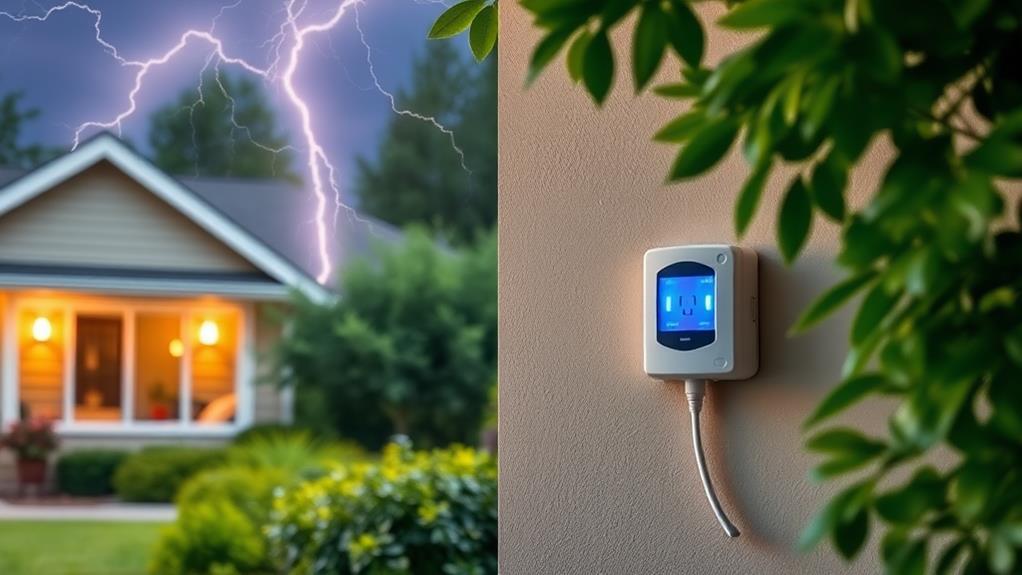
    Electrical surges pose substantial risks to both residential devices and electrical systems, often resulting in costly damages and disruptions. Understanding the causes of these surges and implementing effective surge protection measures is crucial for any homeowner. From whole home surge protectors at the electrical panel to localized outlet protectors for individual devices, the options available can enhance the safety and reliability of your home environment. However, not all surge protection solutions are created equal, and it is important to discern which options best suit your needs. Consider the implications of inadequate protection.

    Causes of Electrical Surges

    Understanding the causes of electrical surges is important for safeguarding your home and devices. Electrical surges can originate from various sources, each posing a risk to both appliances and the overall electrical system. Faulty appliances, often due to internal malfunctions, can lead to unexpected voltage spikes.

    Moreover, poor quality wiring can exacerbate this issue, increasing the likelihood of surges. Tripped circuit breakers may contribute to electrical disturbances, while external factors such as power line fluctuations, phone line surges, and TV cable issues can also introduce unwanted voltage.

    Additionally, natural phenomena like lightning strikes present a significant threat, generating powerful surges that can overwhelm electrical systems. Identifying these causes is vital for implementing effective protective measures.

    Types of Surge Protection

    A variety of surge protection options are available to effectively safeguard your home and devices from electrical surges. Whole home surge protectors are installed at the electrical panel, providing thorough protection for all circuits and connected devices. These systems are designed to absorb excess voltage from various sources, including lightning strikes and power line fluctuations.

    In addition, outlet surge protectors can be used for individual devices, offering localized protection for electronics directly plugged into the wall. They are essential for safeguarding sensitive equipment such as computers, televisions, and home entertainment systems.

    Protecting Your Devices

    Electrical surges can wreak havoc on your devices, leading to costly repairs or permanent damage. Protecting your electronics is essential, as surges can affect a wide range of devices, including televisions, laptops, and home appliances. Unprotected devices are at high risk of malfunction or total failure, potentially resulting in significant financial loss.

    To safeguard your devices, consider investing in quality outlet surge protectors and whole-home surge protection systems. These solutions provide a first line of defense against surges caused by faulty appliances, lightning strikes, or power fluctuations.

    Additionally, make sure that your surge protectors are rated appropriately for your devices to maximize their efficacy. Implementing these measures can preserve the longevity and functionality of your valuable electronics.

    Safeguarding Electrical Systems

    Home and business electrical systems are critical components that require robust protection against surges to guarantee their durability and functionality. Electrical surges can occur due to various factors, including faulty appliances, lightning strikes, and poor wiring, posing significant risks to entire systems. Implementing whole home or business surge protectors is vital to safeguarding these systems, preventing extensive damage that could necessitate costly rewiring and lead to prolonged power outages.

    Such outages can disrupt essential services like lighting, refrigeration, and heating, resulting in major inconveniences for homeowners and substantial financial losses for businesses. By investing in thorough surge protection, individuals can ensure the continued operation of their electrical systems, thereby enhancing safety and reliability in their environments.

    How to Order Surge Protectors

    Ordering surge protectors is a straightforward process that can enhance the safety of your electrical systems. Begin by evaluating your needs based on the devices you wish to protect. Options include whole home or business surge protectors and outlet surge protectors. Select reputable brands such as BG, Contactum, MK Sentry, or Schneider for reliable protection.

    When placing your order, make sure to do so by 4 PM to qualify for next working day delivery. Review product specifications and installation requirements to ensure compatibility with your existing electrical setup.

    Frequently Asked Questions

    How Can I Tell if My Surge Protector Is Still Working?

    To assess if your surge protector is functioning, check for indicator lights or test buttons. If devices connected show signs of malfunction or the protector's lights are off, replacement may be necessary to guarantee continued protection.

    Are Surge Protectors Necessary for Every Electronic Device?

    Surge protectors are essential for safeguarding electronic devices from voltage spikes. They prevent potential damage to both small and high-value equipment, thereby ensuring longevity and operational reliability, and mitigating risks associated with electrical surges.

    Can I Use Multiple Surge Protectors Together?

    Yes, multiple surge protectors can be used together, provided they are compatible and properly rated for the total load. However, excessive chaining may increase the risk of failure or reduced effectiveness. Always prioritize safety in configurations.

    What Is the Lifespan of a Surge Protector?

    The lifespan of a surge protector usually ranges from three to five years, depending on usage and exposure to surges. Regularly monitoring and replacing surge protectors guarantees maximum protection for electronic devices and systems.

    Do Surge Protectors Protect Against Power Outages?

    Surge protectors do not prevent power outages; they are designed to shield devices from voltage spikes. For outage protection, uninterruptible power supplies (UPS) or generators are recommended to guarantee continuous operation during such events.

    Conclusion

    To sum up, implementing surge protection measures is essential for safeguarding both electronic devices and electrical systems within the home. Whole home surge protectors provide extensive coverage at the electrical panel, while outlet surge protectors offer localized defense for individual devices. By prioritizing the installation of quality surge protection solutions, homeowners can mitigate the risks associated with electrical surges, thereby enhancing the safety, reliability, and longevity of valuable electronics and infrastructure.

  • Top Home Appliance Fire Hazards Unveiled

    Top Home Appliance Fire Hazards Unveiled

    The prevalence of household fires linked to home appliances warrants careful examination. Especially, cooking appliances rank as the predominant source, responsible for nearly half of accidental fires in English residences. Additional concerns arise from electrical equipment misuse and faulty appliances and leads, which greatly heighten risks. As the safety of our living environments hinges on proper maintenance and awareness, understanding the intricacies of these hazards is essential. What preventative measures can homeowners implement to mitigate these risks effectively?

    Cooking Appliances

    Cooking appliances pose a substantial fire hazard within the home, accounting for 48% of all accidental fires in English households. Among these, cookers are the primary culprits, responsible for 53% of appliance-related fires. Other notable risks arise from ring/hot plates and grills/toasters. Factors contributing to these incidents include unattended cooking, overheating, and flammable materials positioned too close to heat sources.

    Moreover, the misuse of appliances, such as overloading circuits, exacerbates the danger. To lessen these risks, it is crucial to adhere to manufacturer guidelines, maintain a clean cooking environment, and ensure that smoke alarms are functional. Regular inspection and maintenance of cooking appliances can markedly reduce the likelihood of fire incidents, safeguarding both lives and property.

    Electrical Equipment Misuse

    Frequently overlooked, the misuse of electrical equipment greatly contributes to household fire risks, accounting for 34% of accidental fires in English homes.

    Common practices such as overloading extension cords, using damaged cables, and employing appliances for unintended purposes greatly heighten the likelihood of fire incidents. Additionally, neglecting to unplug devices when not in use can lead to overheating and potential ignition.

    Proper usage of electrical equipment, including adhering to manufacturer guidelines, is essential in preventing such hazards. Regular inspections of appliances and their cords can identify early signs of wear or damage, thereby mitigating fire risks.

    Awareness and proactive measures are essential to guarantee electrical safety within the home environment.

    Faulty Appliances and Leads

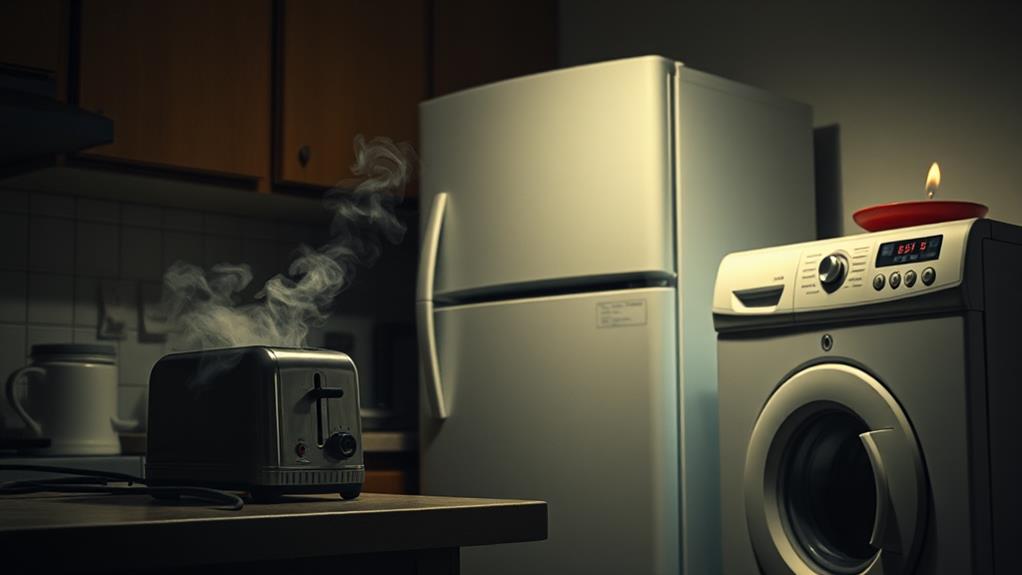
    Faulty appliances and leads represent a essential risk factor in household fire incidents, contributing to 15% of accidental fires in English homes. Common issues include frayed cords, damaged plugs, and outdated wiring, which can lead to electrical shorts or overheating. Appliances such as toasters and kettles frequently exhibit these faults due to their high usage. Regular inspections and maintenance of electrical equipment are crucial in mitigating risks.

    Additionally, it is vital to avoid overloading sockets and using damaged extension leads. Homeowners should guarantee all appliances are registered for safety notifications and replace any faulty equipment promptly. By adopting these preventative measures, the likelihood of appliance-related fires can be notably reduced, safeguarding both property and lives.

    Washing Machines

    Washing machines, essential components of modern households, pose significant fire hazards if not properly maintained. In the 2019/20 period, they were linked to over 600 accidental fires in England, primarily due to faults such as heater control relay failures and capacitor malfunctions. These electrical faults can lead to overheating, sparking, and, ultimately, ignition of surrounding materials.

    Regular maintenance is essential; homeowners should inspect power cords for wear and tear, ensuring connections are secure and undamaged. Additionally, avoiding overloading the machine and using it according to manufacturer guidelines can mitigate risks. It is critical to remain vigilant, as timely intervention can prevent potential disasters associated with washing machines.

    Tumble Dryers

    Although tumble dryers are essential for quickly drying clothes, they can pose significant fire hazards if not properly maintained. A primary risk arises from lint accumulation, which can obstruct airflow and ignite during operation. Regular cleaning of filters after each use is vital to mitigate this hazard.

    Additionally, failing to inspect venting systems for blockages can worsen fire risks. Overloading a tumble dryer may also lead to overheating, increasing the likelihood of ignition. It is essential to make sure that appliances are installed according to manufacturer specifications and that any signs of malfunction, such as unusual noises or burning smells, are addressed immediately.

    Adopting these preventive measures can greatly reduce the risk of tumble dryer-related fires in homes.

    Heating Equipment

    Heating equipment plays a pivotal role in maintaining home comfort, especially during colder months. However, if not properly maintained, it also poses significant fire risks.

    Common sources of heating-related fires include space heaters, fireplaces, and furnaces. Space heaters can ignite nearby flammable materials if placed too close, while improper installation or maintenance of fireplaces and furnaces can lead to hazardous situations.

    Regular inspections and servicing of heating systems are essential in mitigating risks. Homeowners should guarantee adequate clearance around heating devices and avoid using extension cords with space heaters. Additionally, it is crucial to have functioning smoke alarms and carbon monoxide detectors in the home to provide early warnings in case of emergencies related to heating equipment.

    Electrical System Issues

    Electrical system issues represent a significant fire hazard within homes, complementing the risks associated with heating equipment. Faulty wiring, malfunctioning outlets, and the misuse of extension cords contribute substantially to household fires. Overloaded circuits and outdated electrical systems elevate the risk of ignition, as they may not support modern energy demands.

    Additionally, appliances with internal faults, such as washing machines, can initiate fires due to heater control relay faults or capacitor failures. Regular maintenance, including inspection and replacing old cables and leads, is pivotal in mitigating these risks.

    Homeowners are advised to utilize appliances according to manufacturer specifications and to consult qualified electricians for complex electrical tasks, thereby ensuring a safer living environment.

    Frequently Asked Questions

    How Can I Test if My Smoke Alarms Are Working?

    To test smoke alarms, press the test button until an audible alarm sounds. Additionally, make sure alarms are regularly cleaned and replaced every ten years, or as recommended by the manufacturer, for best functionality and safety.

    What Should I Do if My Appliance Catches Fire?

    If an appliance catches fire, immediately disconnect the power if safe, evacuate the area, and call emergency services. Do not use water on electrical fires; use a powder extinguisher if available and safe to do so.

    Are There Specific Fire Risks in Older Homes?

    Older homes often present specific fire risks due to outdated wiring, insufficient electrical systems, and the potential presence of flammable materials. Regular inspections and updates to electrical components are essential for enhancing safety in these residences.

    How Often Should I Replace My Fire Alarms?

    Fire alarms should be replaced every 10 years to guarantee peak functionality. Additionally, alarms should be regularly tested monthly and batteries replaced annually to maintain safety and readiness in the event of a fire emergency.

    What Are the Signs of an Electrical Appliance Malfunction?

    Signs of an electrical appliance malfunction include unusual noises, burning smells, flickering lights, overheating surfaces, tripped circuit breakers, and frequent power interruptions. Promptly addressing these indicators can prevent potential hazards and guarantee safety in the home.

    Conclusion

    To conclude, the prevalence of household fires attributed to cooking appliances underscores the importance of following safety protocols and manufacturer guidelines. Misuse of electrical equipment and faulty appliances significantly increase fire risks. Routine maintenance and inspections of washing machines, tumble dryers, and heating equipment further reduce potential hazards. Guaranteeing operational smoke alarms and upholding a tidy environment are indispensable preventive measures. Alertness and proactive handling of home appliance safety are key in decreasing fire incidents.

  • Easy Steps to Swap a Blown Fuse

    Easy Steps to Swap a Blown Fuse

    Swapping a blown fuse is a basic skill that can enhance electrical safety and efficiency within any environment. Initially, it is crucial to understand the nature of blown fuses, as well as how to identify them accurately. Once a fuse has been deemed non-functional, specific steps must be followed to guarantee a safe and effective replacement. This structured approach not only reduces risks associated with electrical work but also promotes proper functioning of electrical systems. The subsequent sections will illuminate these essential steps, guaranteeing a thorough comprehension of this critical task.

    Understanding Blown Fuses

    Understanding blown fuses is vital for maintaining electrical safety and functionality in any home or workspace. A blown fuse typically occurs when an electrical circuit is overloaded, leading to excess current flow that the fuse cannot handle. This protective device is designed to interrupt the current, thereby preventing potential hazards such as electrical fires or equipment damage.

    Ground faults, damaged wiring, moisture accumulation, or the use of an incorrect fuse type are common causes of blown fuses. Recognizing these factors is important for effective troubleshooting and prevention.

    Additionally, maintaining the integrity of electrical systems by regularly inspecting and addressing potential issues can greatly enhance safety and operational efficiency in residential and commercial settings.

    Identifying a Blown Fuse

    Identifying a blown fuse is vital for ensuring the safety and efficiency of electrical systems. This process involves examining the fuse’s physical condition. Key indicators of a blown fuse include cloudiness or discolouration of the glass or plastic casing, which suggests internal damage.

    Additionally, the presence of melted or broken metal elements inside the fuse is a clear sign that it has failed. It is important to note that these visual cues can vary based on the type of fuse used.

    Regular inspection can help prevent further electrical issues, such as circuit overloads or potential hazards. Timely identification of a blown fuse is critical for maintaining the integrity of your electrical setup and preventing additional complications.

    Steps to Replace a Fuse

    Replacing a blown fuse is a critical task that secures electrical systems’ continued functionality and safety.

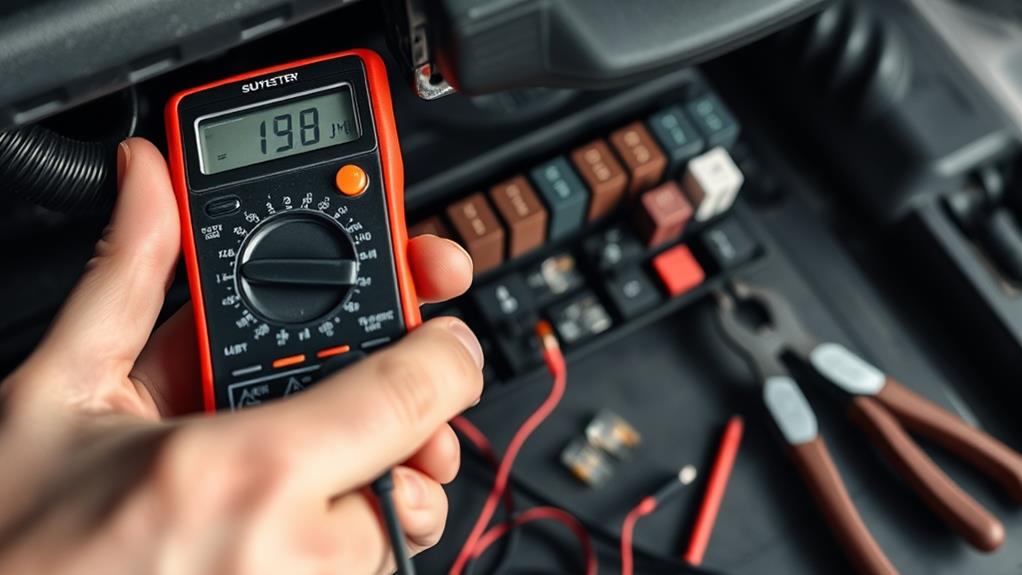
    First, confirm your safety by wearing gloves designed for electrical work, rubber-soled shoes, and safety goggles.

    Next, disconnect the main power to prevent electrical shock. Locate the blown fuse, which is identifiable by cloudiness, discoloration, or visible damage.

    Carefully unscrew the blown fuse using an appropriate tool. To avoid further issues, replace it with a new fuse of the same type and rating and make sure it is securely fastened.

    Frequently Asked Questions

    Can I Use Any Type of Fuse to Replace a Blown One?

    No, it is imperative to use a fuse that matches the specifications of the original. Inappropriate fuse types can lead to circuit failures, increased risk of electrical fires, and potential damage to connected devices.

    What Should I Do if the New Fuse Blows Immediately?

    If the new fuse blows immediately, it indicates a persistent issue, such as an overloaded circuit or damaged wiring. Investigate the electrical system thoroughly and consider consulting a licensed electrician for a thorough assessment and resolution.

    How Often Should I Check My Fuses for Issues?

    It is recommended that you inspect your fuses every six months. This proactive approach helps identify potential issues such as discolouration or damage, ensuring electrical safety and preventing unexpected failures in your electrical system.

    Are There Signs That Indicate Electrical Problems Beyond Blown Fuses?

    Yes, signs indicating electrical problems beyond blown fuses include frequent tripping of circuit breakers, flickering lights, discoloured outlets, unusual odours, and warm or hot electrical devices. Prompt inspection by a qualified electrician is advisable in such cases.

    Is It Safe to Replace a Fuse Without Turning off the Power?

    Replacing a fuse without turning off the power is highly unsafe. It poses significant risks of electric shock or fire hazards. Always verify the mains power is disconnected before attempting any electrical repairs or replacements.

    Conclusion

    To sum up, replacing a blown fuse involves a systematic approach prioritising safety and accuracy. One can guarantee the restoration of electrical functionality by adhering to the outlined steps—disconnecting power, inspecting the fuse, and replacing it with an appropriate substitute. Proper handling and secure installation of the new fuse are essential to prevent future occurrences of electrical issues. Following these procedures enhances safety and contributes to the longevity of electrical systems.

  • Ducting Colors Decoded: Enhancing Home Safety

    Ducting Colors Decoded: Enhancing Home Safety

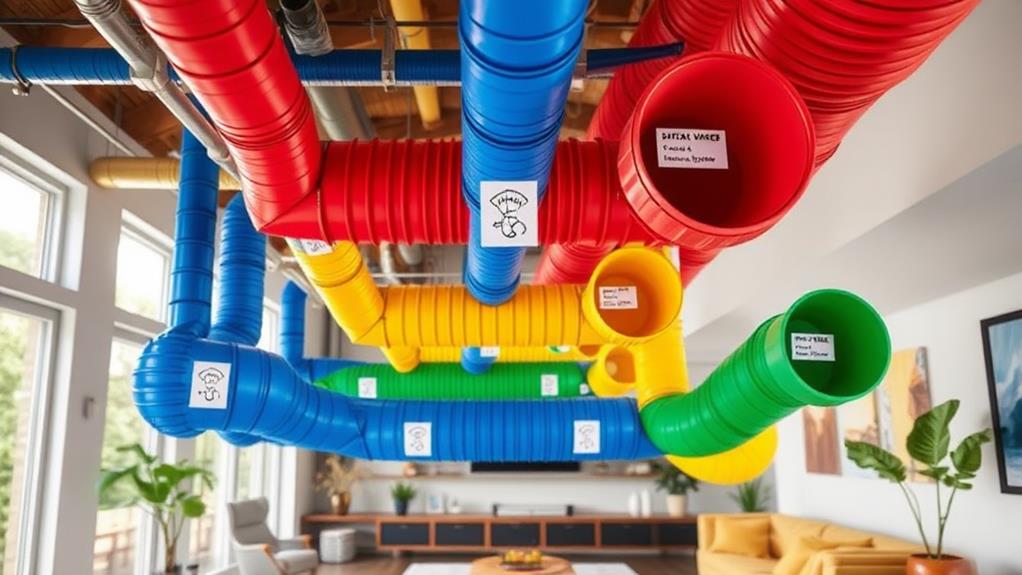
    The implementation of color-coded ducting systems within residential environments serves as an essential component in enhancing overall home safety. Each distinct color—ranging from red and black for electrical systems to yellow for gas lines—provides a visual framework that facilitates the identification and management of various utilities. This systematic approach not only aids in preventing accidents but also promotes efficient maintenance practices. However, while the benefits of these color codes are evident, the implications of their usage extend beyond mere identification, prompting a deeper examination of their influence on safety protocols and emergency responses.

    Red and Black for Electricity

    In the field of electrical infrastructure, the use of red and black ducting plays a crucial role in ensuring safety and operational efficiency. Red ducting is designated for high-voltage power cables, providing a clear visual indicator of potential hazards, thereby enhancing electrical safety.

    Conversely, black ducting is used for standard electrical cables, distinguishing everyday wiring from critical systems. This clear color coding supports effective cable identification strategies, facilitating quick recognition and appropriate handling during installation, maintenance, and emergencies.

    Orange for Street Lighting

    Street lighting systems play a pivotal role in urban infrastructure, and the use of orange ducting is essential for identifying the cables that power these systems. This distinct color facilitates effective cable identification, ensuring that maintenance crews can quickly locate and address any issues.

    By streamlining the process, orange ducting enhances maintenance efficiency, allowing for timely repairs and routine checks in accordance with established safety protocols. Moreover, the clear marking of these cables aids in upgrades planning, ensuring that any modifications to lighting systems are executed with precision.

    The implementation of orange ducting ultimately contributes to a safer urban environment, as it reduces the likelihood of accidents during maintenance activities and supports the uninterrupted functioning of essential street lighting services.

    Yellow for Gas Safety

    The importance of yellow ducting in identifying gas pipelines cannot be exaggerated, as it plays a significant role in ensuring safety during construction and maintenance activities. Yellow ducting serves as a clear visual cue for workers, indicating the presence of gas lines and thereby promoting excavation safety. This awareness is essential for preventing accidental damage during gas line maintenance, which could lead to hazardous leaks or explosions.

    Green for CCTV Security

    Identifying green tubing is vital for the effective management of CCTV security systems. This color designation specifically indicates the cabling associated with security cameras, which plays a pivotal role in home surveillance and property protection. Properly labeled green tubing ensures that the installation and maintenance of these systems are carried out efficiently, minimizing the risk of interruptions to video feeds.

    The integrity of a CCTV system is crucial, as it directly impacts the security of a residence or business. By utilizing green tubing, property owners can promptly locate and address any issues related to their surveillance infrastructure. Ultimately, the clear identification of green tubing not only enhances operational efficiency but also contributes significantly to the overall safety and security of the premises.

    Blue for Water Supply

    In the field of infrastructure, blue ducting serves a critical function by designating potable water pipelines. This clear identification is essential for ensuring that water supply systems are maintained effectively, thereby promoting water conservation. By utilizing blue ducting, professionals can quickly locate and manage water lines, reducing the risk of accidental damage during construction or plumbing maintenance activities.

    The visibility of blue ducting not only enhances efficiency but also safeguards public health by preventing contamination of drinking water. Proper understanding of blue ducting supports adherence to safety regulations, ultimately fostering a reliable water distribution network.

    The strategic use of blue ducting is integral to both operational efficiency and the safeguarding of essential water resources.

    Conclusion

    To sum up, the implementation of color-coded ducting systems serves as an essential measure for enhancing home safety. Each color—red and black for electricity, orange for street lighting, yellow for gas, green for CCTV security, and blue for water supply—provides clear visual cues that facilitate the identification and maintenance of essential utility systems. This systematic approach not only minimizes the risk of accidents but also promotes effective management of resources, ultimately safeguarding the well-being of residents.